One hundred days into the escalating tensions surrounding Iran, former President Donald Trump’s vocal stance has failed to coalesce significant new support within the Republican party, revealing deep divisions on foreign policy and the path forward.
Key Highlights:
- Trump’s calls for a more aggressive approach to Iran have not translated into widespread GOP consensus.
- Established Republican foreign policy figures remain cautious, prioritizing diplomatic avenues and existing alliances.
- The lack of unified support highlights a broader ideological split within the party on national security.
- Allies of Trump are struggling to mobilize broader support for his specific policy prescriptions regarding Iran.
A Divided House: GOP Grapples with Iran Policy
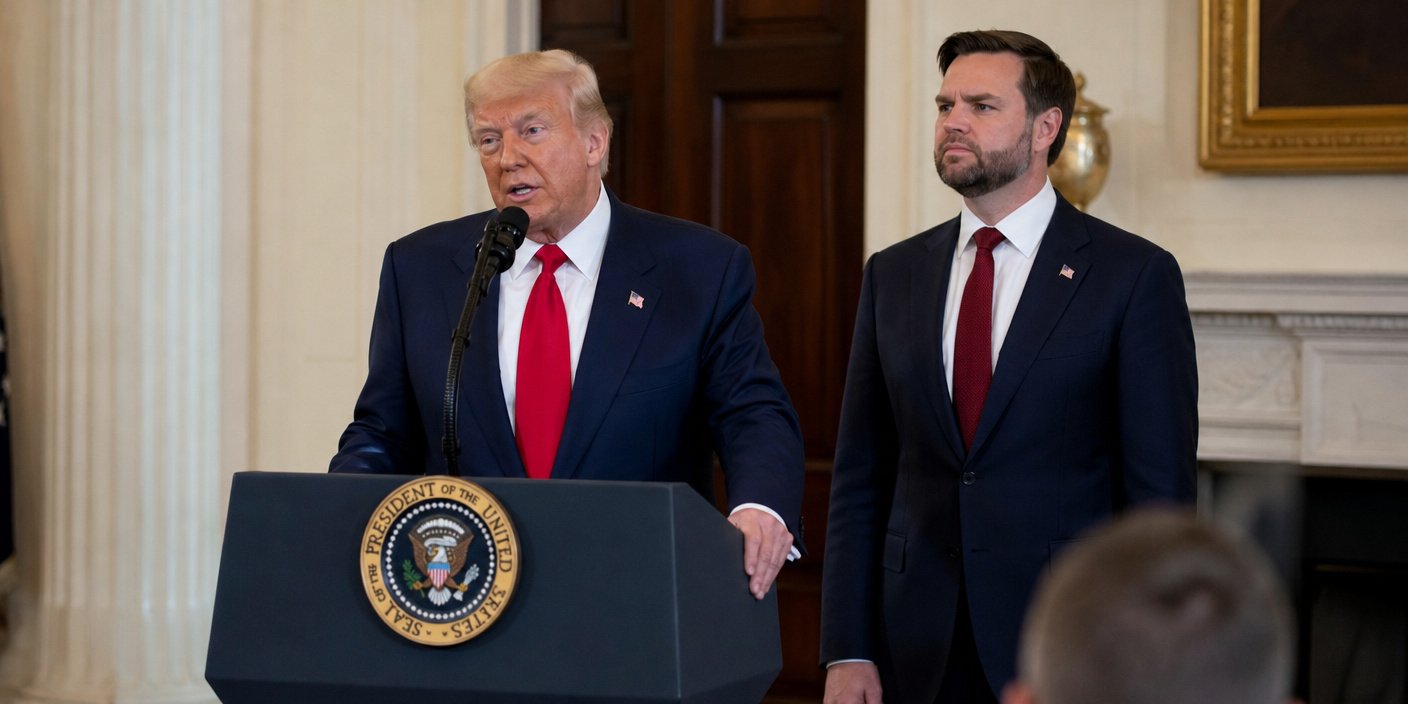
Despite 100 days passing since a significant escalation of rhetoric and potential military posturing towards Iran, the anticipated surge of unified Republican backing for former President Donald Trump’s assertive foreign policy has largely failed to materialize. Trump, who has consistently advocated for a tougher stance, including threats of military action and increased sanctions, finds his messaging echoing within a segment of the party but not resonating across the broader Republican spectrum. This has exposed a persistent fault line in how the GOP envisions America’s role in global affairs, particularly concerning the Middle East.
The Traditionalist Bloc’s Hesitation
Many veteran Republican foreign policy experts and elected officials, while often critical of the current administration’s handling of Iran, are not fully embracing Trump’s more hawkish proposals. Figures like Senator Lindsey Graham and former national security advisors have expressed concerns that Trump’s approach could risk a wider conflict without a clear strategy for de-escalation or long-term regional stability. They often emphasize the importance of working with allies, strengthening existing international frameworks, and employing a more calibrated diplomatic pressure, rather than relying solely on overt threats.
Trump’s Base and the Appeal of Strength


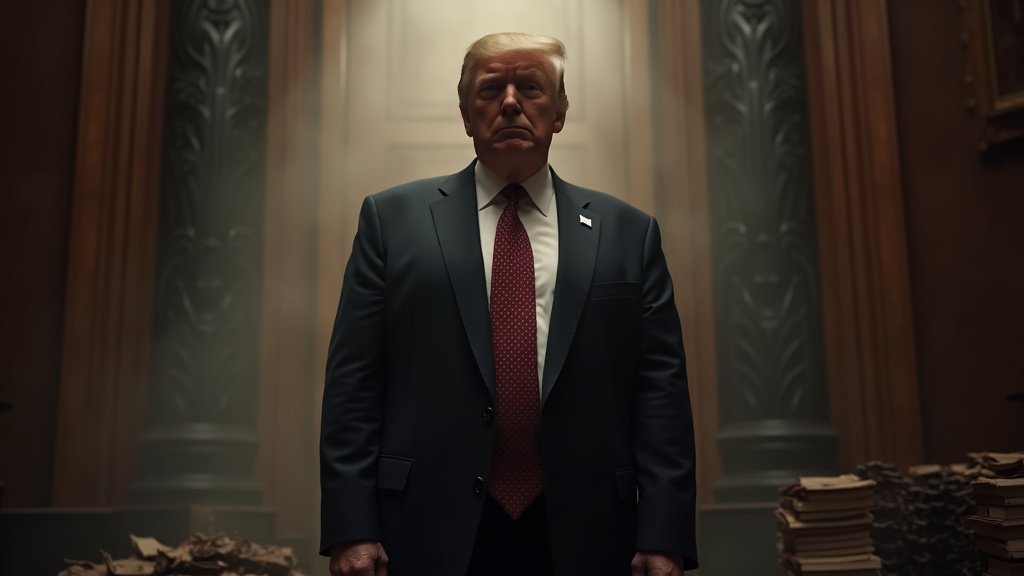
For Trump’s core supporters, his strong rhetoric against Iran is often seen as a sign of decisive leadership and a return to a policy of “America First.” They view his approach as a necessary corrective to what they perceive as weakness or appeasement from the current administration. Rallies and social media discussions frequently feature calls for decisive action, reflecting a segment of the Republican base that is receptive to Trump’s more confrontational posture. However, translating this enthusiastic base support into broader party consensus, especially among those with more traditional foreign policy views, has proven challenging.
The Economic and Geopolitical Calculus
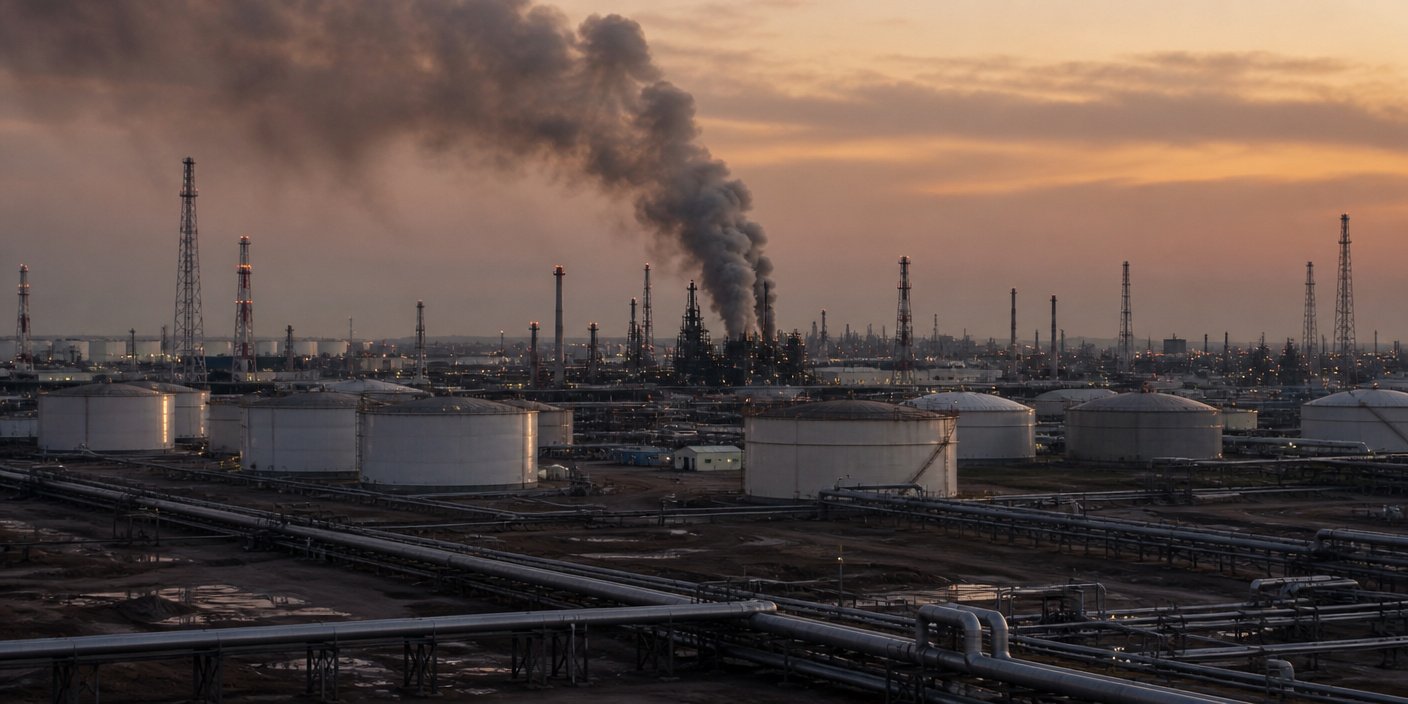
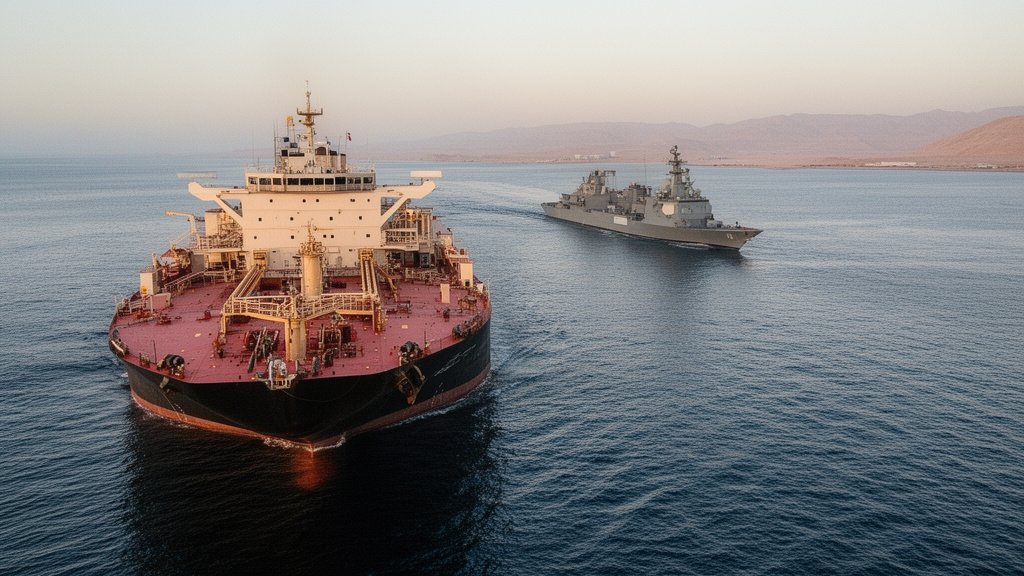
The reluctance to fully embrace Trump’s hardline stance also stems from a complex geopolitical and economic calculus. Iran remains a significant player in global energy markets, and any drastic military action carries the risk of severe economic repercussions, including volatile oil prices and potential disruptions to global trade. Many Republicans are mindful of the long-term costs of military intervention and are looking for strategies that prioritize national interests without entangling the U.S. in protracted conflicts. The debate is not just about rhetoric, but about the practical implications of policy.
Future Trajectories
As the geopolitical landscape continues to evolve, the Republican party faces a critical juncture. The internal debate over how to best counter Iran’s influence – whether through assertive diplomacy, economic pressure, or direct confrontation – is likely to intensify. Trump’s continued vocal opposition, while energizing his base, highlights the ongoing challenge of forging a singular, unified foreign policy vision for the GOP in the post-Trump era. The next 100 days will likely see further maneuvering as different factions within the party attempt to shape its approach to one of the world’s most volatile regions.
FAQ: People Also Ask
What is Trump’s current stance on Iran?
Former President Donald Trump has consistently advocated for a tougher stance against Iran, often calling for increased sanctions, a more aggressive posture, and even threatening military action in response to perceived provocations. He frequently criticizes the current administration’s approach as being too lenient.
Why might some Republicans be hesitant to support Trump’s policy on Iran?
Some Republicans may be hesitant due to concerns about the potential for escalating into a wider conflict, the economic consequences of military action or severe sanctions, and a preference for more traditional diplomatic approaches that involve working with international allies.
What are the key areas of disagreement within the GOP regarding Iran?
Disagreements often center on the preferred methods of engagement – whether to prioritize diplomacy, economic sanctions, or military deterrence. There are also differing views on the role of international alliances and the extent to which the U.S. should unilaterally dictate policy in the region.
How have 100 days of tension impacted the debate?
While tensions have remained high, the 100-day mark has highlighted the lack of a unified Republican strategy, revealing ongoing internal debates rather than a consolidated front. It underscores the persistent ideological divisions within the party on foreign policy matters.
What are the potential economic consequences of a hardline approach to Iran?
A hardline approach could lead to significant fluctuations in global oil prices, disrupt international trade routes, and potentially necessitate increased defense spending, all of which carry substantial economic implications for the United States and the global economy.