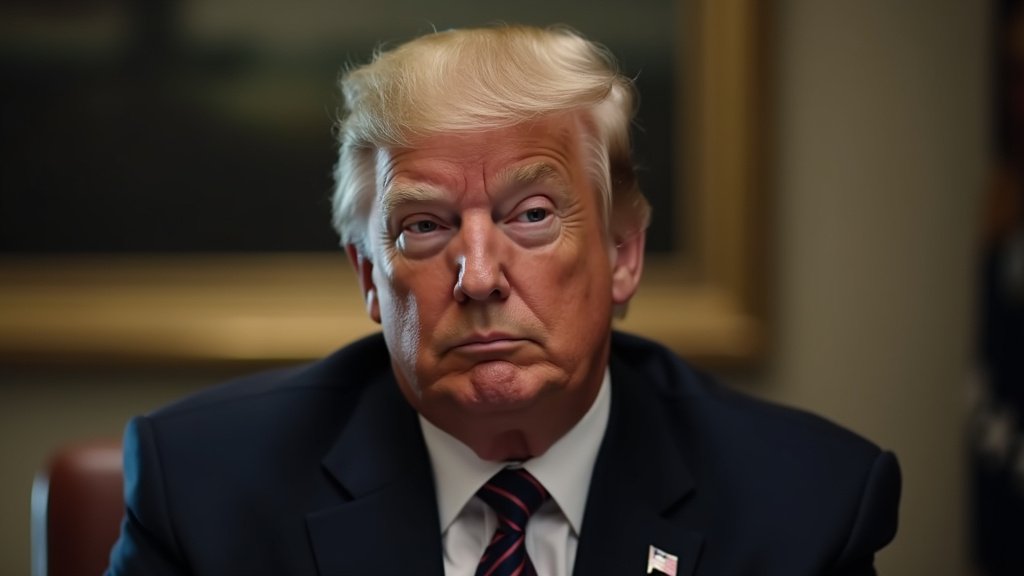
Former President Donald Trump asserted on Tuesday that a deal with Iran and the opening of the Strait of Hormuz are “largely negotiated,” suggesting a significant diplomatic development could be on the horizon. Trump made these remarks during a campaign event, hinting at progress on issues that have long been points of contention in international relations.
Key Highlights:
- Donald Trump stated that a deal with Iran and the opening of the Strait of Hormuz are “largely negotiated.”
- The remarks were made during a campaign event, indicating a political angle to the announcement.
- The Strait of Hormuz is a critical chokepoint for global oil transport, making its status a significant geopolitical issue.
- Details regarding the specifics of the alleged negotiations or the terms of the potential deal were not provided.
Geopolitical Ramifications of Potential Iran Deal and Strait of Hormuz Opening
Former President Donald Trump’s recent declaration that a deal with Iran and the subsequent opening of the Strait of Hormuz are “largely negotiated” has sent ripples through the international community. These statements, made during a campaign rally, suggest a potential shift in a complex and often volatile geopolitical landscape. The Strait of Hormuz, a narrow waterway connecting the Persian Gulf to the open ocean, is a vital artery for global energy supplies, with a significant portion of the world’s oil passing through it daily. Any agreement impacting its accessibility carries immense economic and strategic weight.
Historical Context of Iran-Strait of Hormuz Negotiations



The relationship between Iran and international powers, particularly concerning the Strait of Hormuz, has been fraught with tension for decades. The 1979 Islamic Revolution marked a turning point, leading to increased scrutiny and a complex web of sanctions and diplomatic maneuvers. Under the Trump administration, the U.S. withdrew from the Joint Comprehensive Plan of Action (JCPOA), commonly known as the Iran nuclear deal, and reimposed stringent sanctions. This move significantly escalated tensions and impacted global oil markets. Trump’s current claims suggest a potential reversal or a new framework for engagement, though the specifics remain elusive. The international community will be closely watching for any concrete details that emerge from these alleged negotiations.
Economic Implications of Strait of Hormuz Access
The economic consequences of controlling or opening the Strait of Hormuz are profound. A disruption to shipping through the strait can cause immediate spikes in global oil prices, impacting everything from transportation costs to consumer goods. Conversely, a stable and open passage can contribute to predictable energy markets and support global economic growth. If Trump’s assertions hold true, a negotiated opening could signal a period of greater stability in energy markets, benefiting importing nations and potentially easing inflationary pressures. However, the terms of such an agreement and Iran’s adherence to them will be critical factors determining the long-term economic impact.
Examining the “Largely Negotiated” Claim
Trump’s assertion that the deal is “largely negotiated” is significant, given his administration’s previous stance on Iran. While he has often expressed a desire for a deal, his previous actions, such as withdrawing from the JCPOA, created a complex diplomatic environment. The lack of specific details accompanying his announcement leaves many analysts and policymakers questioning the validity and scope of these claims. It is crucial to ascertain which parties are involved in these negotiations, what concessions have been made, and what guarantees are in place to ensure compliance and long-term stability. The focus now shifts to whether these claims will translate into tangible diplomatic breakthroughs or remain campaign rhetoric.
FAQ: People Also Ask
What is the Strait of Hormuz?
The Strait of Hormuz is a narrow strait at the southern end of the Persian Gulf, connecting it to the Gulf of Oman and the open ocean. It is one of the world’s most important oil transit points.
Why is the Strait of Hormuz important?
It is a vital chokepoint for international oil transportation. Approximately 30% of the world’s seaborne-traded oil passes through the Strait of Hormuz, making its security and accessibility critical for global energy markets.
What was the Joint Comprehensive Plan of Action (JCPOA)?
The JCPOA, commonly known as the Iran nuclear deal, was an agreement reached in 2015 between Iran and several world powers to limit Iran’s nuclear program in exchange for sanctions relief. The U.S. withdrew from the deal in 2018.
Has Donald Trump previously negotiated with Iran?
During his presidency, the U.S. withdrew from the JCPOA and imposed severe sanctions on Iran. While Trump expressed openness to negotiations, direct high-level talks did not materialize during his term. His current statements suggest a potential shift in approach.
What are the implications of a deal with Iran?
A deal could lead to reduced tensions in the Middle East, increased stability in global oil markets, and potentially a halt or rollback of Iran’s nuclear activities. However, the specifics of any agreement and its enforcement would be critical.