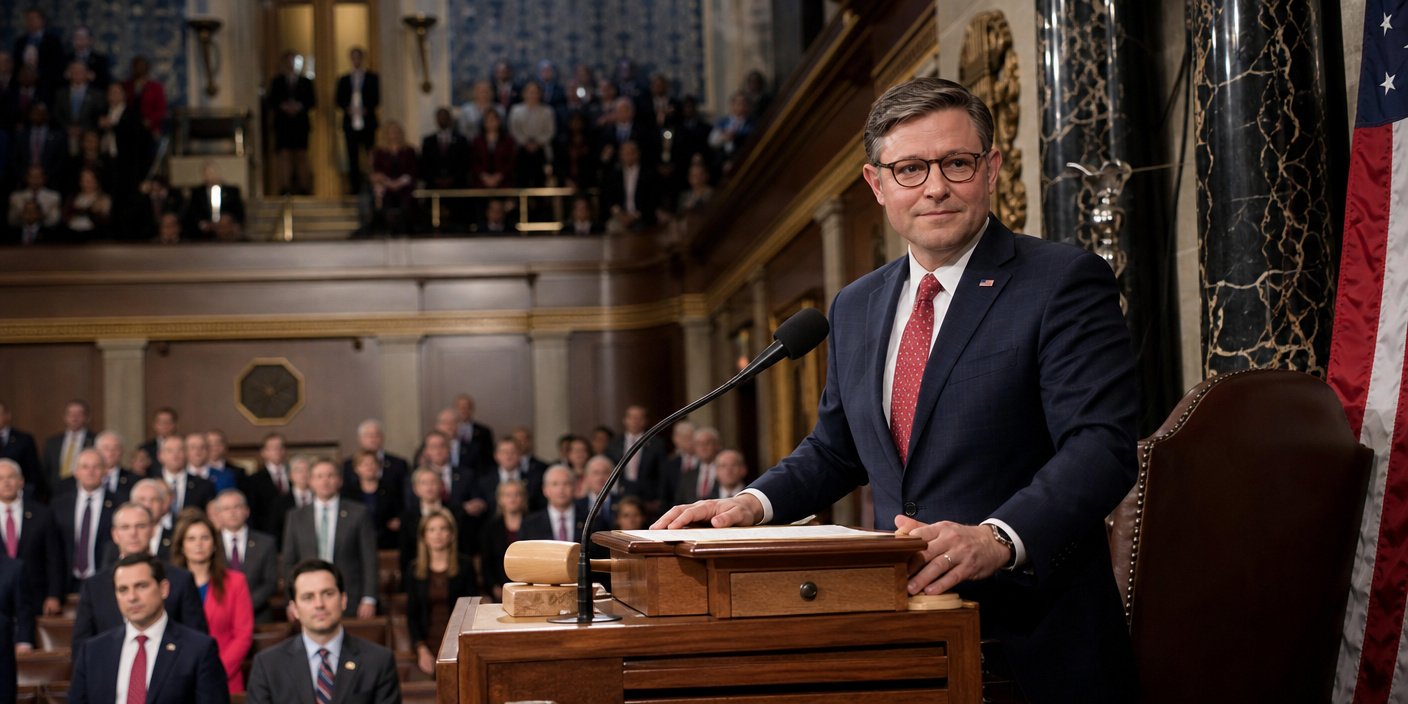
Washington D.C. – The United States government entered a partial shutdown on Saturday, January 31, 2026. This happened after Congress failed to pass the 2026 budget by midnight. However, a quick resolution seems likely. The shutdown stems from deep divisions over funding. It also involves anger over recent events. This marks a significant moment for American governance.
Key Details Emerge
The midnight deadline passed without agreement. This led to funding lapses for many federal agencies. Approximately three-quarters of federal operations faced disruption. Senate leaders reported passing a funding package. This package covers many agencies through September 2026. It also includes a two-week stopgap for the Department of Homeland Security (DHS). The House of Representatives is expected to vote early next week. This should restore funding within days. Congress negotiated intensely leading up to the deadline. The White House stated it would follow normal shutdown procedures. This includes agency guidance and employee notifications. The shutdown started on a Saturday. Therefore, immediate public impact was limited until Monday.


The Minneapolis Tragedy Fuels Division
Negotiations faltered due to Democratic anger. This anger focused on the killing of two protesters. Federal immigration agents killed Alex Pretti and Renee Good. These incidents occurred in Minneapolis. The killings derailed talks for new DHS funding. Senate Democrats insisted on reforms for federal agents. They demanded changes before approving DHS money. Senator Dick Durbin voiced strong criticism. He stated the Trump administration wasted resources. It targeted peaceful protesters instead of criminals. He argued this makes Americans less safe. Senate Minority Leader Chuck Schumer outlined specific demands. These included banning masked agents. They also wanted mandatory body cameras. Independent investigations into alleged violations were sought. An end to “roving patrols” was also a key demand.
A Senate-Backed Path Forward
The Senate passed a major funding package. This vote occurred on Friday, January 30. It garnered bipartisan support with a 71-29 tally. This deal separates DHS funding. It allows for continued negotiations on immigration enforcement. The agreement funds most government departments through September. This Senate action aimed to limit the disruption. Congressional leaders expressed optimism. They anticipated a short impasse. The House was not in session. It was expected to return on Monday, February 2. This timeline meant a brief shutdown was unavoidable over the weekend. However, swift House action could minimize its effects. The administration indicated it would sign the deal. This offered reassurance for a speedy resolution.
Potential Consequences of a Lapse
A government shutdown impacts many facets of American life. It means non-essential government operations cease. Many federal employees face furlough. They are told not to report for work. Essential personnel, however, continue duties. They work without pay until funding resumes. This situation creates significant stress. Government contractors also face delays. Contract awards and payments can halt. This impacts cash flow and project timelines. Government facilities may close. Applications for permits or loans might be delayed. The travel industry can see disruptions. Air traffic controllers and security staff are essential. Staffing issues could affect flights. National parks might close visitor centers. Food safety inspections could decrease. The economy also feels the strain. Past shutdowns have cost billions. They reduced GDP and cost jobs. However, core benefits like Social Security and Medicare continue. These are funded by law, not annual appropriations. The Treasury also continues debt payments. The Department of Homeland Security is less affected. It received substantial prior funding. This allows continued deportation operations.
A Familiar Scenario
This shutdown follows a lengthy one in Fall 2025. That shutdown lasted 43 days. It was the longest in modern history. Congress has been working to pass annual appropriations. They aim to fund agencies through fiscal year 2026. Six of the twelve required bills were already enacted. The remaining six, including DHS, caused the current impasse. The situation highlights ongoing budget battles. It underscores the challenges of bipartisan compromise. The President’s agenda often clashes with Democratic priorities. This story is a top American news item. It reflects deep policy divides. The quick resolution expected offers some relief. However, the underlying issues remain unresolved. This complex negotiation story continues. It impacts millions of Americans. It shapes the functioning of their government. The outcome will influence future budget talks. It also sets a precedent for handling disputes. The nation watches for the House’s action. Swift approval is key to ending the lapse. This is a critical moment for American stability. The government’s operations hang in the balance. Both parties must find common ground. For now, a brief pause is in effect. The full story unfolds next week.