Skip to content
Trending
December 28, 2025US Northeast Gripped by Winter Storm; Taiwan Shaken by Magnitude 6.6 Quake Amidst Other Global Stories March 14, 2025Trump Targets Opponents and ‘Corrupt’ Officials in Justice Department Address November 27, 2025CMS Proposes Major Overhaul of Medicare Advantage Star Ratings, Focusing on Health Outcomes May 27, 2026Trump Cabinet Meets Amid Shifting Iran Peace Talks September 2, 2025Australian Trio Aims for Glory at the 2025 US Open Wheelchair Championships June 22, 2025U.S. House Approves Landmark Clean Air and Water Act, Setting Ambitious 2030 Targets July 25, 2025Paramount-Skydance Merger Clears Regulatory Hurdle, Bringing Months of Uncertainty to a Close February 4, 2025Black Physicians Raise Alarm Over Policy Shifts Impacting Public Health, Healthcare Equity August 2, 2025Montana Manhunt Intensifies for Ex-Soldier in Fatal Bar Shooting March 9, 2026Iran Names Khamenei’s Son as Supreme Leader Amidst Intensifying US-Iran War
  • Home
  • Top Stories
  • National News
  • Health
  • Business
  • Tech & Innovation
  • Entertainment
  • Politics
  • Culture & Society
  • Crime & Justice
  • Editorial
  • Home
  • Top Stories
  • National News
  • Health
  • Business
  • Tech & Innovation
  • Entertainment
  • Politics
  • Culture & Society
  • Crime & Justice
  • Editorial
  • Blog
  • Forums
  • Shop
  • Contact
  Health  US House Approves Budget with Deep Spending Cuts, Raising Alarms for Medicaid and Health Programs
Health

US House Approves Budget with Deep Spending Cuts, Raising Alarms for Medicaid and Health Programs

julian Weissjulian Weiss—February 26, 20253
FacebookX TwitterPinterestLinkedInTumblrRedditVKWhatsAppEmail

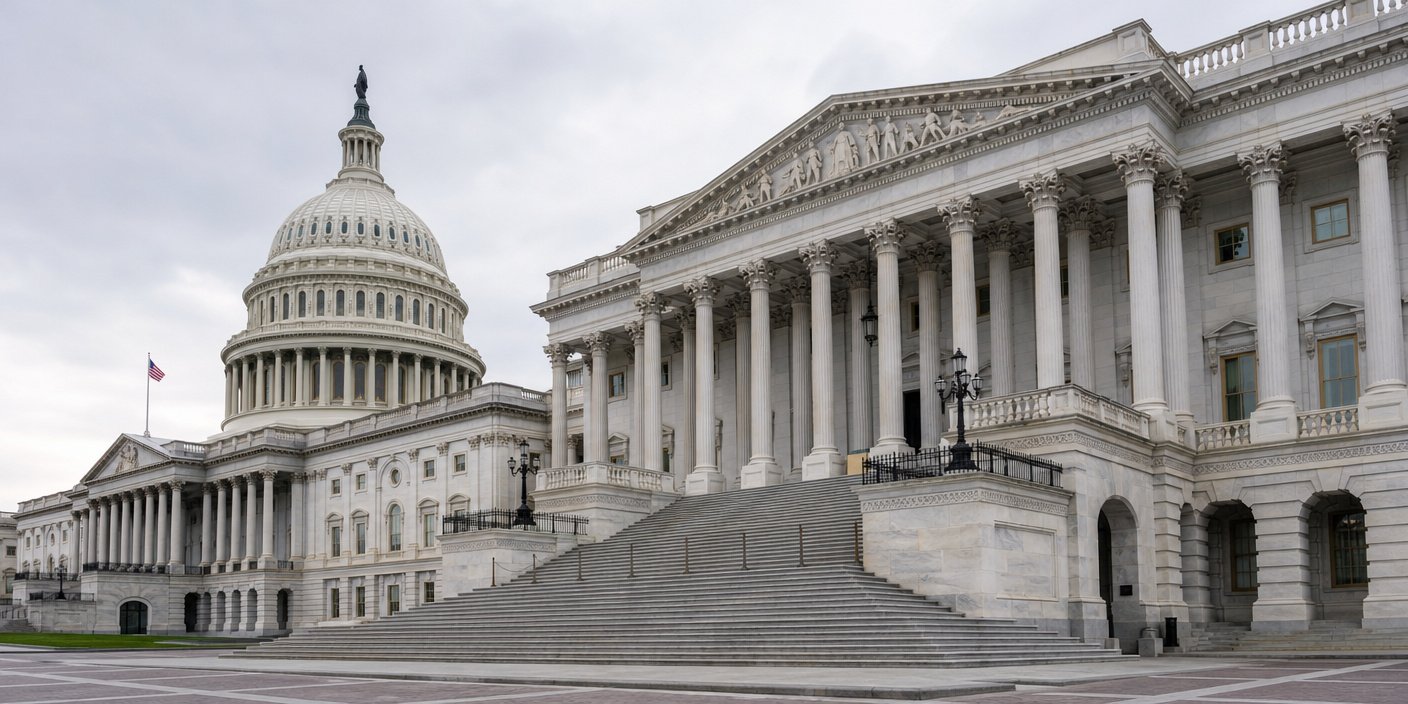
WASHINGTON D.C. – The United States House of Representatives on February 25, 2025, narrowly approved a budget resolution proposing extensive spending cuts, a move that has ignited significant concern among healthcare advocates and providers regarding the future of programs like Medicaid.

The measure, passed by a vote of 217-215, outlines a path for up to $2 trillion in spending reductions across various government sectors. While the resolution is a non-binding framework, it signals legislative priorities and sets the stage for potential future policy action, particularly through the reconciliation process.

Details of the House Proposal

The budget proposal championed by the House is closely aligned with the stated goals and agenda of the Trump administration. Beyond the proposed $2 trillion in spending cuts, the resolution also makes allowances for a substantial increase in the national debt ceiling, authorizing it to rise by up to $4 trillion. Furthermore, it carves out room for significant tax cuts, permitting up to $4.5 trillion in spending allocated for this purpose.

This combination of deep spending cuts and potential tax reductions has fueled debate over fiscal responsibility and the allocation of national resources, with critics arguing that the burden of austerity could fall disproportionately on essential public services.

Potential Impact on Healthcare Programs

More stories

US Health Plans Mandated to Expand No-Cost Breast Cancer Screening Coverage Starting 2026

May 8, 2025

Trump’s Second Term Health Agenda: “Make America Healthy Again” Initiative Signals Major Policy Shift

February 10, 2025

US Healthcare Policy in Flux: AMA Addresses Cyberattack Fallout, Physician Bills, and Key Regulatory Shifts

April 18, 2025

Trump Administration Mandates Stricter Healthcare Price Disclosure in Push for Transparency

February 27, 2025

A central point of contention within the resolution is its potential impact on key healthcare programs. While not explicitly mandating cuts to specific programs in this framework document, the overall scale of the proposed $2 trillion in spending reductions suggests that vital health services, including Medicaid, could be targeted in subsequent legislation.

Medicaid provides critical health coverage for millions of Americans, encompassing a diverse population that includes hardworking families, children, seniors, veterans, and individuals with disabilities. Advocates warn that any significant cuts to this program could severely restrict access to necessary medical care for these vulnerable groups, potentially leading to worsened health outcomes and increased financial burdens on individuals and state governments.

Other essential health care programs that support public health initiatives, preventative care, and medical research could also face diminished funding under the proposed framework, though specific program-level details remain to be determined in future legislative steps.

Industry Reaction and Advocacy

The passage of the House budget resolution drew swift reaction from the healthcare sector. Rick Pollack, President and CEO of the American Hospital Association (AHA), voiced strong opposition to any potential cuts affecting Medicaid.

“The chamber should protect Medicaid from harmful cuts that would impact access to care for millions of Americans who rely on these essential health care services,” Pollack stated. He emphasized that reducing funding for Medicaid would jeopardize access for the millions who depend on it, specifically citing the program’s importance to hardworking families, children, seniors, veterans, and disabled individuals.

Healthcare organizations and patient advocacy groups are expected to intensify their lobbying efforts in the coming weeks and months, aiming to shield Medicaid and other critical health initiatives from being disproportionately affected by the proposed spending reductions.

Senate Counterpart and the Path Forward

The House action follows a separate budget resolution passed by the Senate the previous week. The Senate’s version took a different approach, authorizing approximately $340 billion in spending, offset by cuts elsewhere in the budget. This significant disparity between the two chambers’ proposals – $2 trillion in cuts from the House versus $340 billion authorized spending offset by cuts from the Senate – highlights the challenges ahead.

For subsequent legislation reflecting the budget priorities, particularly bills intended to achieve these spending reductions or tax cuts, to proceed under expedited rules such as the reconciliation process, both the House and Senate must first agree upon a common budget resolution. The reconciliation process is a legislative procedure that allows certain budget-related bills to pass the Senate with a simple majority, bypassing the potential for a filibuster.

The differences between the House and Senate resolutions necessitate negotiations to bridge the gap and find common ground. The outcome of these discussions will ultimately determine the fiscal framework for the coming year and could have profound implications for federal spending on healthcare, taxation, and the national debt. The path towards a unified budget resolution, and subsequently potential legislative action on cuts or tax reform, remains uncertain as the two chambers navigate their divergent priorities.


FacebookX TwitterPinterestLinkedInTumblrRedditVKWhatsAppEmail

julian Weiss

US Pretrial Justice Under Scrutiny: States Push Bail Reforms Amid Rights and Safety Concerns
Immigration Crackdown, Private Contractor Proposals, and Federal Worker Uncertainty Mark February 26, 2025
Related posts
  • Related posts
  • More from author
Health

Legal Showdown: Appeals Court Weighs RFK Jr.’s Vaccine Panel Freeze

October 7, 20260
Health

Medicaid Access Cuts: Legal Immigrants at Risk

September 30, 20260
Health

$51M HHS Push to Fix Pediatric Dental Care Access

September 23, 20260
Load more
Read also
Top Stories

IMF Warns AI Market Hype Threatens Global Financial Stability

October 13, 20260
Politics

Trump Weighs Strikes After Deadly Saudi Airport Attack

October 12, 20260
Entertainment

Soulja Boy Plots 2028 Presidential Bid: The Platform Explained

October 12, 20260
Business

Trump’s Energy Ceasefire Plan Sparks Bipartisan Backlash

October 12, 20260
National News

Hurricane Simon: Category 3 Storm Unleashes Chaos on Mexico’s Pacific Coast

October 12, 20260
Crime & Justice

Federal Agents Execute Search Warrant at Rep. Ilhan Omar’s DC Home

October 12, 20260
Load more

Recent Posts

  • IMF Warns AI Market Hype Threatens Global Financial Stability
  • Trump Weighs Strikes After Deadly Saudi Airport Attack
  • Soulja Boy Plots 2028 Presidential Bid: The Platform Explained
  • Trump’s Energy Ceasefire Plan Sparks Bipartisan Backlash
  • Hurricane Simon: Category 3 Storm Unleashes Chaos on Mexico’s Pacific Coast

Recent Comments

No comments to show.
Social networks
FacebookLikes
X TwitterFollowers
PinterestFollowers
InstagramFollowers
YoutubeSubscribers
VimeoSubscribers
Popular categories
  • Top Stories648
  • National News351
  • Editorial322
  • Politics304
  • Business292
  • Crime & Justice271
  • Entertainment269
  • Health223
  • Tech & Innovation213
  • Culture & Society210
  • Uncategorized2

IMF Warns AI Market Hype Threatens Global Financial Stability

October 13, 2026

Trump Weighs Strikes After Deadly Saudi Airport Attack

October 12, 2026

Soulja Boy Plots 2028 Presidential Bid: The Platform Explained

October 12, 2026

Trump’s Energy Ceasefire Plan Sparks Bipartisan Backlash

October 12, 2026

Hurricane Simon: Category 3 Storm Unleashes Chaos on Mexico’s Pacific Coast

October 12, 2026

Awards Season Culminates: Previewing the 97th Academy Awards and Weekend Entertainment Options

4534 Comments

S&P 500 Nears Record as Nasdaq Hits Three-Week High; Major Indexes Post Strong Weekly Gains on February 14, 2025

779 Comments

Google Introduces Premium AI Ultra Subscription Globally: Advanced Capabilities and Pricing Details Emerge

771 Comments

Trump Rallies GOP on Capitol Hill Amidst Doubt for Sweeping Domestic Policy Bill

582 Comments

Future of Telecom: How AI and 5G Convergence is Driving Innovation

542 Comments
    © Copyright 2025, All Rights Reserved
    • About
    • Privacy
    • Contact