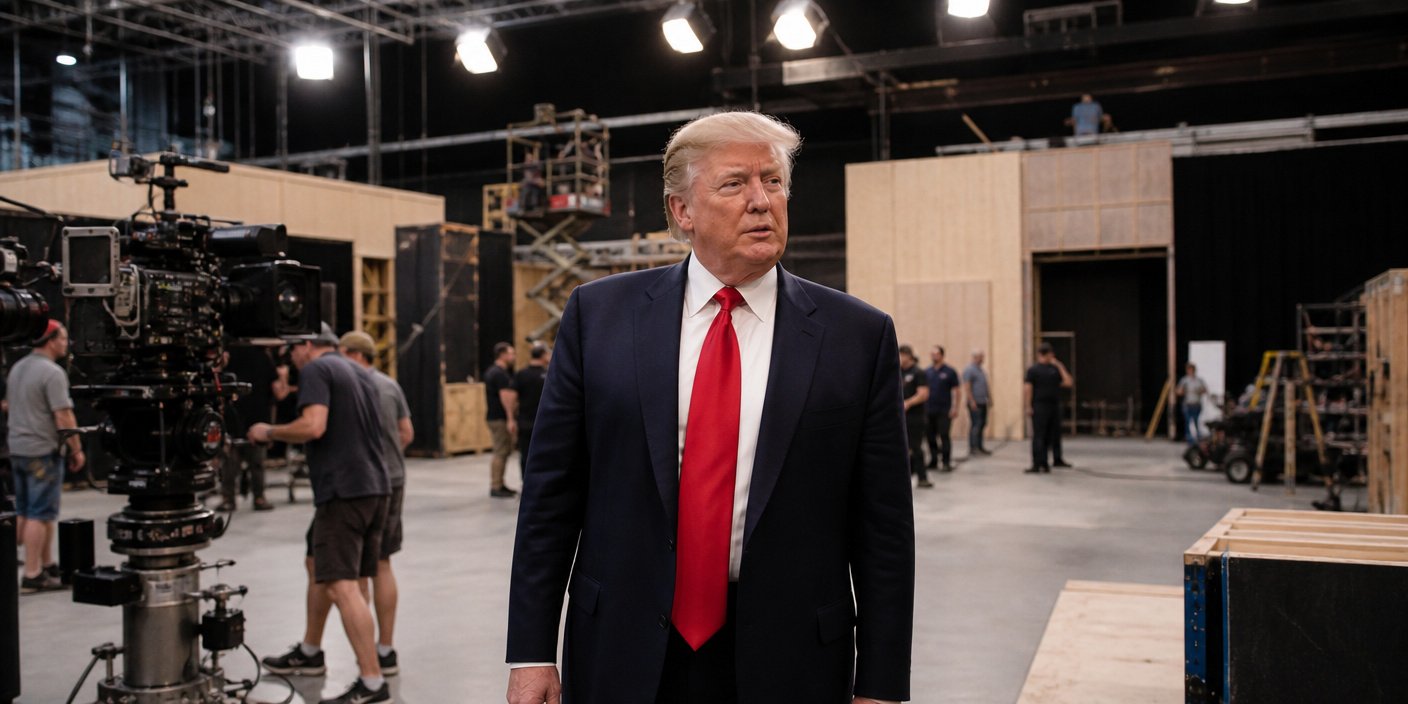
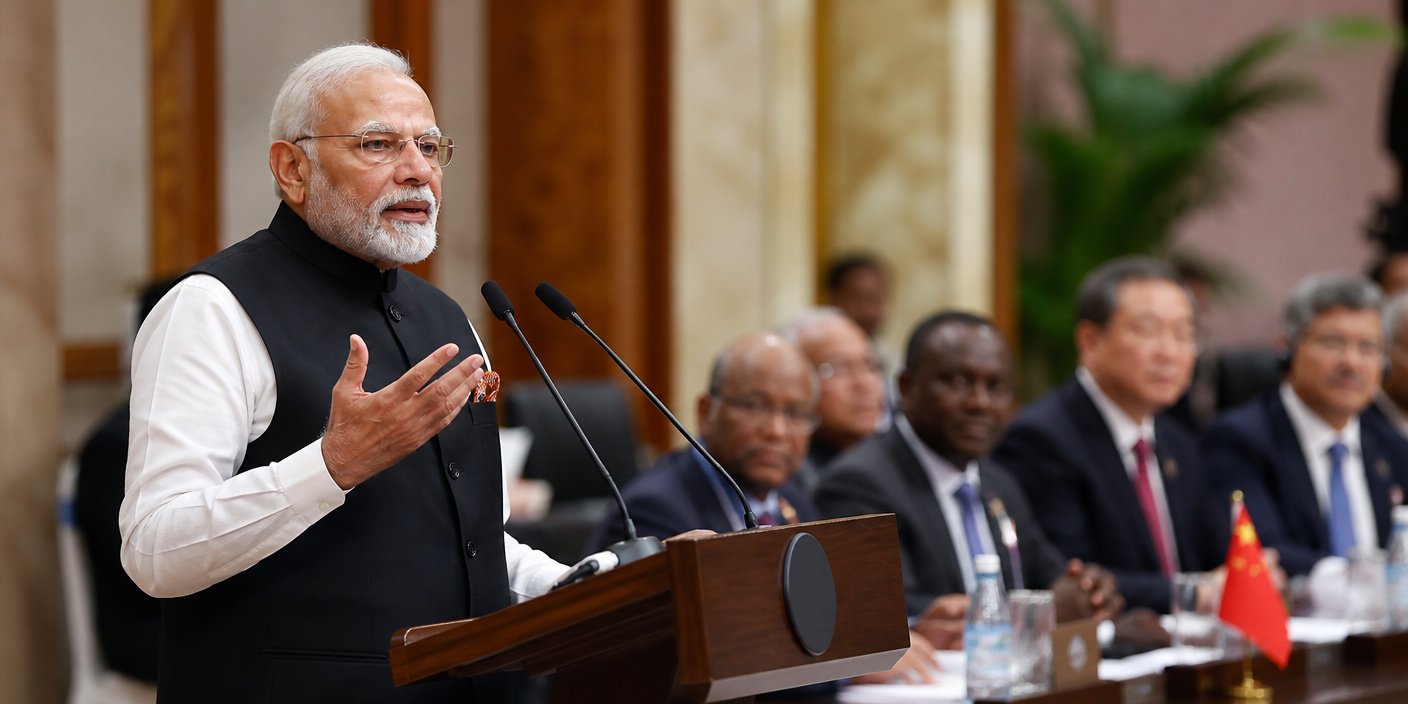
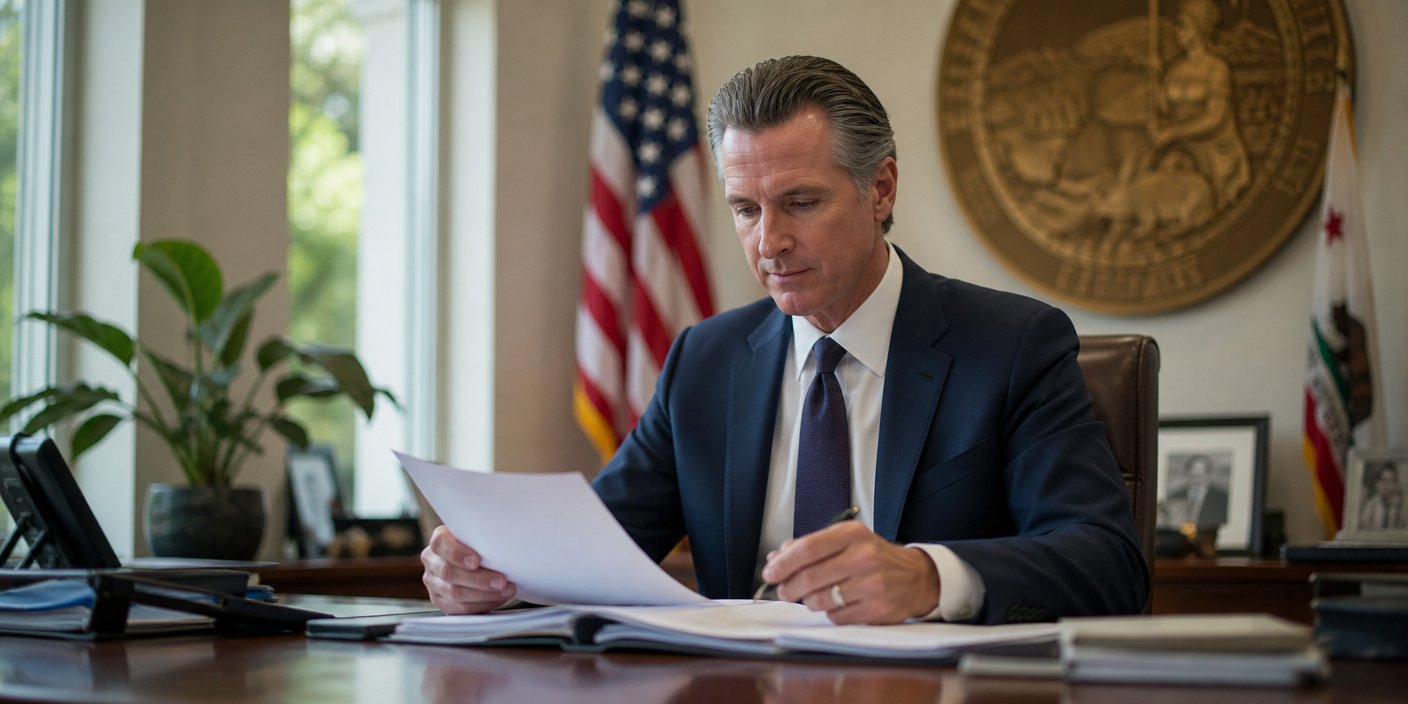
In a sweeping policy shift, the United States has implemented a new annual fee of $100,000 for companies sponsoring H-1B visas, a move designed to dramatically alter the landscape of skilled foreign worker immigration and prioritize American talent. President Donald Trump signed the proclamation on September 19, 2025, with the new fees taking effect on September 21, 2025. This significant increase, from the previous nominal fees, aims to ensure that foreign workers brought into the country are genuinely “highly skilled” and do not displace American workers.
The $100,000 Sticker Shock: A New Era for H-1B Visas



The new policy mandates that employers pay a substantial $100,000 annual fee for each H-1B petition. This marks a stark departure from the past, where application fees were in the thousands, making the H-1B program accessible to a broader range of companies and roles. The stated intention is to curb what the administration describes as “systemic abuse” of the H-1B visa system, particularly by those using it for entry-level training or to hire workers at wages significantly below those paid to their American counterparts. The fee is expected to make the program economically unfeasible for many companies, especially startups and smaller businesses, and could lead to fewer H-1B visas being issued than the annual cap allows.
Rationale: Prioritizing American Jobs and High-Value Talent
Administration officials, including Secretary of Commerce Howard Lutnick, have articulated the policy’s core objective: to ensure that foreign workers provide a “significant benefit” to the U.S. and to redirect opportunities towards American citizens. The administration contends that the H-1B program has been exploited to suppress wages and replace American workers, undermining both economic and national security. By imposing a steep fee, the government aims to compel employers to invest more heavily in domestic talent and reserve H-1B visas for positions that require truly exceptional, specialized skills that cannot be filled by the American workforce. This initiative is part of a broader effort to restrict legal immigration and bolster domestic employment.
Seismic Impact on Industry and Global Talent
The implications of this dramatic fee hike are far-reaching. The technology sector, which heavily relies on the H-1B program to fill specialized roles, is expected to be significantly impacted. Indian professionals, who constitute the vast majority of H-1B visa recipients—making up 71% of approvals in fiscal year 2024—are likely to be disproportionately affected. The increased cost could limit job mobility for existing visa holders and make renewals prohibitively expensive, potentially pushing skilled workers to seek opportunities in other countries.
Alongside the H-1B changes, the administration also introduced a “Gold Card” visa program, offering wealthy individuals a fast track to U.S. residency for a fee of $1 million. This dual approach reflects a strategy to attract significant investment while simultaneously tightening the rules for existing skilled worker programs.
Voices of Concern and the National Interest
The new policy has drawn criticism from various quarters. Business groups and immigration advocates warn that the exorbitant fee could stifle innovation, disadvantage American companies in the global competition for talent, and create labor shortages in critical fields. Critics argue that the move may effectively end the H-1B program as it currently exists, transforming it into a “luxury work permit” accessible only to the wealthiest corporations. This could shift the nation’s approach to immigration and affect its long-standing Culture of welcoming global minds, impacting American society and its competitive edge in the global economy.
Conclusion: A New Direction for Skilled Immigration
The imposition of a $100,000 annual fee on H-1B visas represents one of the most significant overhauls of U.S. skilled immigration policy in decades. While proponents argue it will protect American jobs and ensure high-value skills are brought into the country, critics fear it will hinder economic growth and reduce diversity. The long-term consequences for the U.S. economy, its innovation capacity, and its standing as a destination for global talent remain to be seen, as the policy is expected to face legal challenges and ongoing debate in the national discourse. This News event signals a distinct shift in immigration policy, prioritizing a more exclusive and costly pathway for highly skilled foreign workers.