Washington D.C. – In an unprecedented legal action, the United States has announced the first federal charges against a foreign national for allegedly providing material support to a criminal group designated as a “foreign terrorist organisation.” This landmark case targets the Cartel de Jalisco Nueva Generacion (CJNG), a powerful Mexican drug cartel.
The suspect, identified as 39-year-old Maria Del Rosario Navarro-Sanchez of Mexico, faces accusations of furnishing the CJNG with grenades and actively assisting the group in smuggling migrants, firearms, money, and drugs across international borders.
Unsealing of the Indictment
The charges were publicly announced by Immigration and Customs Enforcement (ICE) on Friday, May 16 or 17. The indictment against Navarro-Sanchez was unsealed on the same day, detailing the specific allegations of her support for the CJNG.
Navarro-Sanchez had been arrested earlier, on May 4, prior to the public announcement and unsealing of the charges. Authorities reportedly recovered a golden AR-15 gun, notoriously known as “El Dorado,” from her during her arrest in Mexico.
A Shift in Strategy: Cartels as Terrorist Groups
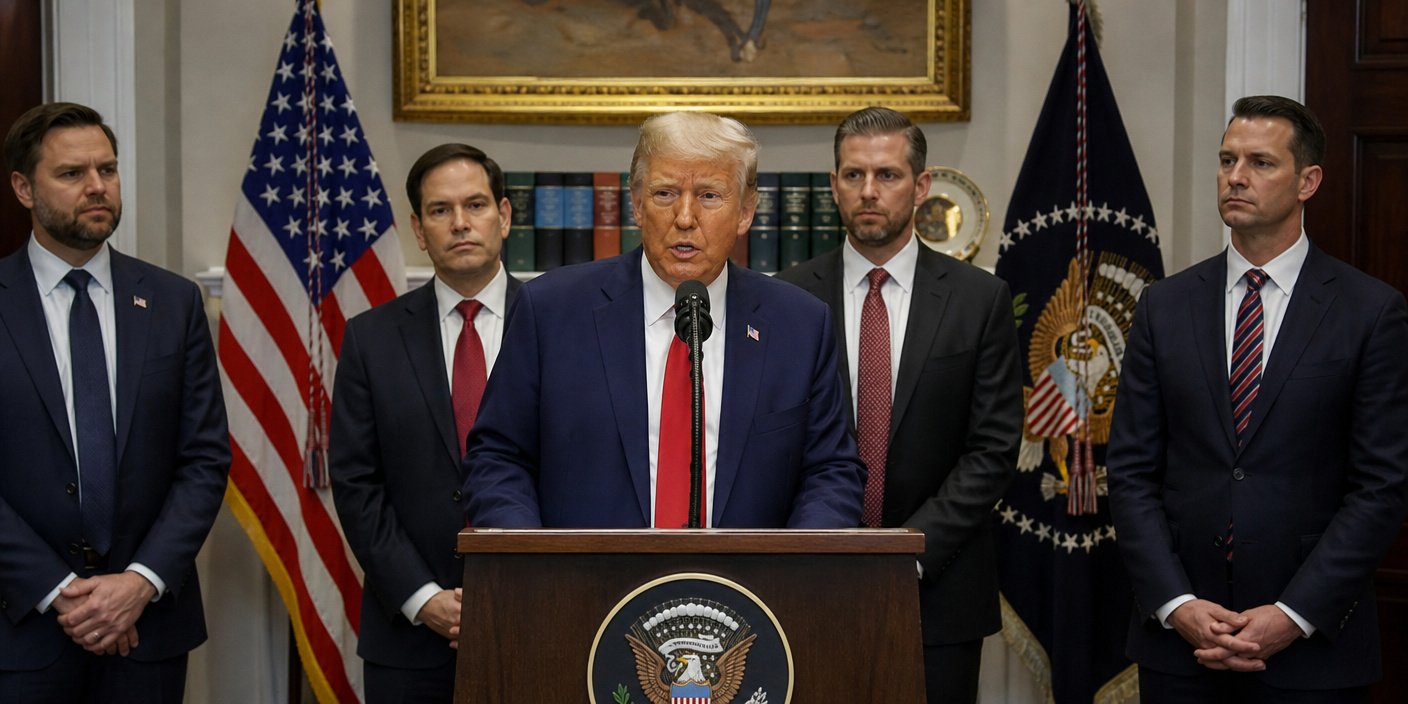
This prosecution marks a significant shift in how the U.S. government is approaching the fight against international criminal organizations. It stems directly from an executive order issued by President Donald Trump on January 20, his first day back in office.



That executive order designated international cartels as explicit national-security threats to the United States. Furthermore, it directed relevant officials to prepare for the potential designation of these groups as “foreign terrorist organisations.”
Following this directive, by February 19, eight Latin American criminal groups, including the CJNG, Tren de Aragua, and MS-13, were officially listed as “foreign terrorist organisations” in the Federal Register. This designation provides a new legal framework for prosecuting individuals who provide support to these entities.
Allegations of Material Support
The indictment against Navarro-Sanchez outlines the specific ways she is alleged to have aided the CJNG. By providing military-grade items like grenades and facilitating the trafficking of various illicit goods and people, she is accused of directly contributing to the operational capabilities and financial strength of a group now formally recognized by the U.S. government for its terrorist characteristics.
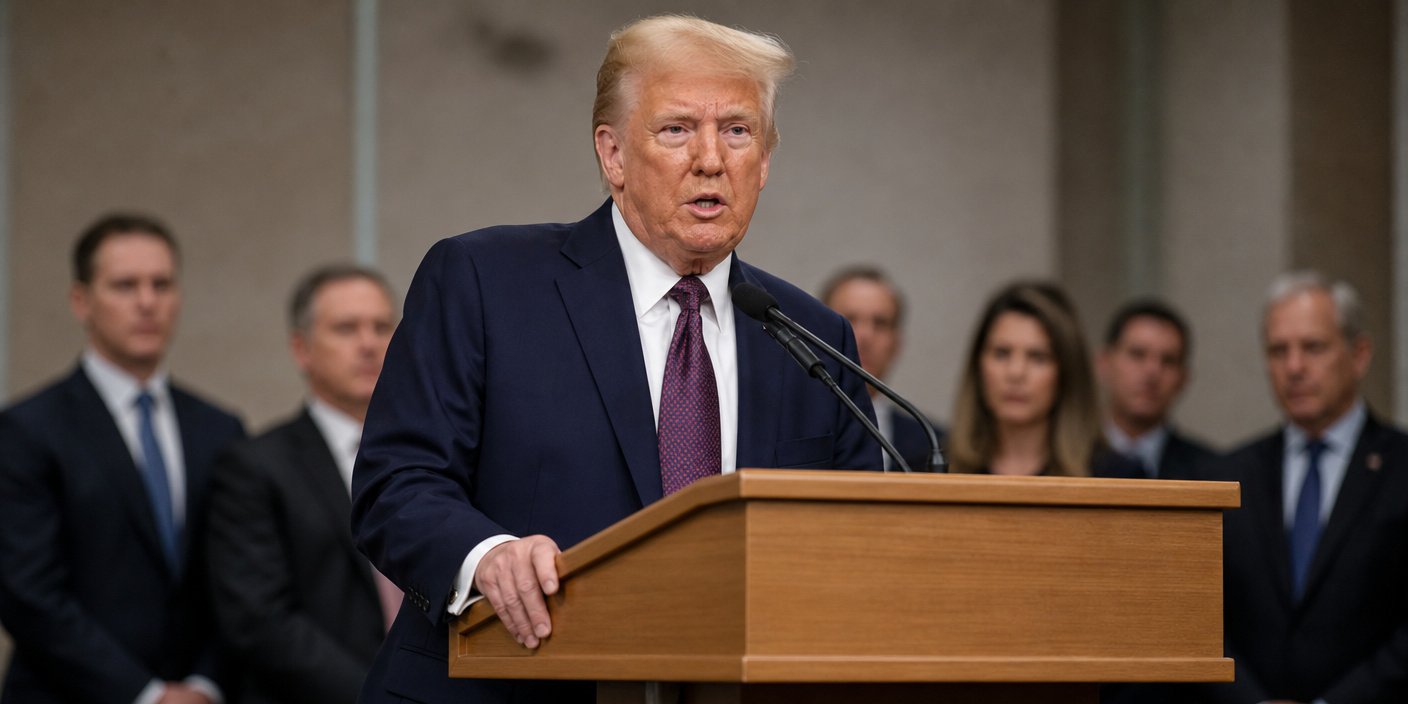
US Attorney General Pam Bondi commented on the charges, stating unequivocally that cartels like the CJNG are terrorist groups that cause significant harm in American communities. Her statement underscores the severity with which the U.S. government now views the actions of these criminal organizations and their associates.
Co-Defendants and Related Charges
Navarro-Sanchez is not the sole individual implicated in this broader investigation. The indictment names two co-defendants, also Mexican citizens, who are facing related charges. These charges include firearms trafficking and other offenses, indicating a wider network involved in supporting the CJNG’s activities.
The recovery of the distinctively named golden AR-15, “El Dorado,” during Navarro-Sanchez’s arrest could potentially serve as key evidence linking her directly to the high-level operations and resources of the cartel.
Implications of the Designation
The decision to designate criminal organizations like the CJNG as “foreign terrorist organisations” has profound legal and strategic implications. It allows for the application of statutes typically used against groups like Al-Qaeda or ISIS to target individuals providing material support to these cartels.
This move grants U.S. prosecutors and law enforcement new tools, including stricter penalties and enhanced investigative powers, to dismantle cartel operations by targeting not just those directly involved in trafficking but also those who facilitate their activities in other crucial ways.
The charges against Maria Del Rosario Navarro-Sanchez represent the first concrete application of this new strategy, signaling a potential shift in the U.S. approach to combating the transnational criminal networks that pose both security and public health threats.
As the case proceeds, it will be closely watched for its implications on future prosecutions and the broader U.S. policy towards international organized crime.