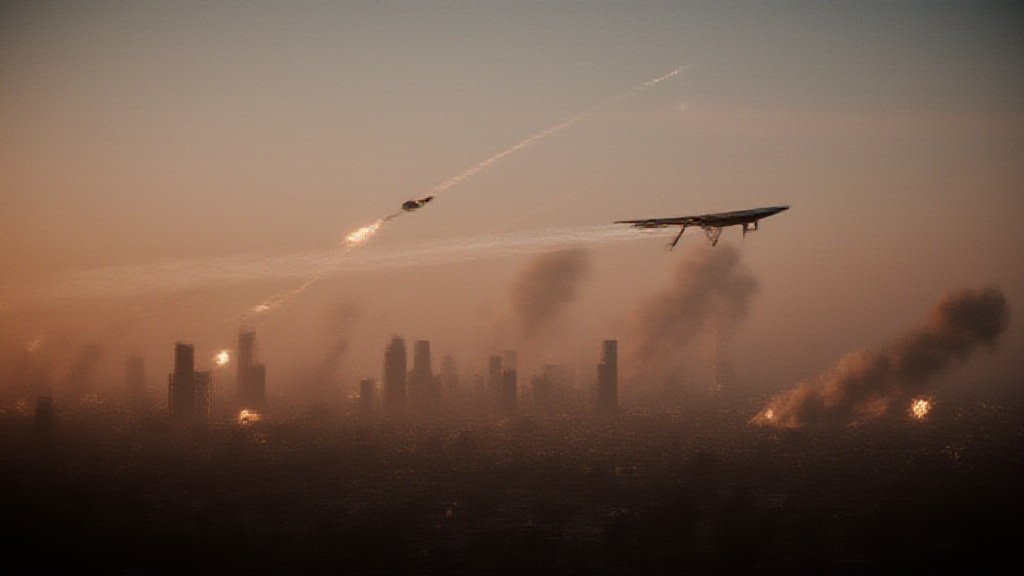
Top American Story: In a momentous convergence of international diplomacy and economic foresight, President Trump has finalized a U.S.-brokered ceasefire deal in Gaza, marking the end of a two-year conflict and leading to the release of all remaining living Israeli hostages. This significant diplomatic achievement coincides with an optimistic revision of the International Monetary Fund’s (IMF) 2025 U.S. economic growth forecast, which now stands at 2%, partially influenced by the less disruptive impact of tariffs. However, these developments unfold against a backdrop of escalating domestic political violence and the severe consequences of Typhoon Halong in Western Alaska, presenting a complex and multifaceted national and global picture.
A Historic Ceasefire in Gaza: Peace on the Horizon?
The culmination of extensive negotiations saw the signing of a U.S.-brokered ceasefire agreement in Sharm el-Sheikh, Egypt, effectively ending a brutal two-year war in Gaza. At the heart of this accord is the release of all 20 living Israeli hostages held by Hamas, a development that brought profound relief and symbolic closure to a deeply scarred nation. In a reciprocal measure, Israel has released nearly 2,000 Palestinian prisoners and detainees as part of the agreement. The ceasefire mandates an immediate halt to all military operations, freezing frontlines and allowing for the return of deceased hostages, alongside a commitment to facilitate full humanitarian aid into Gaza.



This breakthrough is largely attributed to President Trump’s administration, which championed a comprehensive 20-point peace plan designed to foster a lasting peace. The plan outlines a strategic vision for Gaza’s future, focusing on demilitarization, reconstruction, and the establishment of a transitional governance structure led by Palestinian technocrats under international supervision. Key to this framework is the potential deployment of an International Stabilization Force (ISF) to aid in security and support vetted Palestinian police. The plan also includes provisions for significant economic development and reconstruction efforts aimed at revitalizing Gaza for its inhabitants. The U.S. Central Command is set to establish a task force to assist in monitoring the ceasefire and coordinating humanitarian aid delivery. Despite the widespread international praise for this diplomatic feat, significant hurdles remain, including the complex issues of Hamas disarmament and the eventual governance of Gaza.
U.S. Economic Growth Revised Upwards by IMF Amidst Tariff Landscape
In tandem with the international developments, the International Monetary Fund (IMF) has signaled a more optimistic outlook for the American economy, projecting a growth of 2% for 2025. This revised forecast represents a slight upgrade from earlier projections and is partly attributed to the diminished disruptive effect of tariffs implemented by the Trump administration. The IMF’s World Economic Outlook indicated that the U.S. economy is poised for 2.1% growth next year, a pace that, while positive, is being shaped by a complex interplay of factors.
IMF analysis suggests that U.S. importers and retailers have, thus far, absorbed the majority of tariff-related costs, a departure from initial expectations that foreign entities would bear the brunt. Nevertheless, the fund warns that these costs are likely to be gradually passed on to consumers, with early indicators pointing to a modest rise in core inflation. The resilience of the U.S. economy is further bolstered by significant investments in artificial intelligence, fiscal stimulus measures, and a more accommodating financial environment. However, the IMF’s chief economist has cautioned that while global economic conditions are better than initially feared, they remain less robust than anticipated and fall short of necessary levels, citing persistent trade policy uncertainties.
Domestic Volatility and Alaskan Devastation Underscore Challenges
Amidst these significant international and economic milestones, the United States faces considerable domestic challenges. The nation is contending with an alarming rise in political violence, fueled by deepening polarization and what analysts term an ‘era of violent populism’. Reports indicate that politically motivated violence has reached its highest point since the 1970s, with incidents ranging from targeted assaults to confrontational public demonstrations. Compounding these concerns are credible allegations of foreign influence operations attempting to destabilize the U.S. by spreading disinformation and inciting unrest.
Adding to the domestic strain, a protracted government shutdown is significantly impacting essential federal services, with a disproportionate effect on the nation’s most vulnerable populations. Federal layoffs have been implemented across multiple agencies, curtailing oversight and crucial support for students with disabilities, low-income families, the homeless, and the elderly. This shutdown, marked by what is described as authoritarian and punitive tactics, highlights severe partisan divides and budgetary disputes, particularly concerning proposed cuts to Medicaid and the Affordable Care Act subsidies.
In the remote reaches of Western Alaska, the impact of Typhoon Halong has been devastating. The storm’s remnants unleashed hurricane-force winds, catastrophic storm surges, and widespread flooding, leading to at least one confirmed fatality, two missing individuals, and extensive destruction of property. Entire villages have been severely damaged, with hundreds of residents displaced and seeking refuge in emergency shelters. Search and rescue operations are ongoing, and the path to recovery is expected to be long and arduous, particularly as winter approaches. This natural disaster also serves as a stark reminder of the escalating frequency and severity of extreme coastal weather events in Alaska, a trend linked to broader climate change impacts.
In essence, the current period is characterized by a potent mix of diplomatic success, economic optimism, and pressing domestic and environmental crises. The successful Gaza ceasefire and the IMF’s upgraded economic forecast offer rays of hope, but the pervasive issues of political instability and the impact of natural disasters highlight the intricate and challenging nature of both the global and American landscape.