Washington D.C. – After a prolonged 40-day closure that brought significant disruptions to national services and the economy, the US Federal Government has officially reopened, with agencies resuming full operations and flight schedules beginning to normalize. The end of the record-breaking shutdown was secured through a bipartisan agreement in the Senate, bringing relief to hundreds of thousands of federal employees and the broader public, demonstrating the critical nature of the US Federal Government.
Bipartisan Senate Deal Ends Record-Breaking Stalemate for the US Federal Government


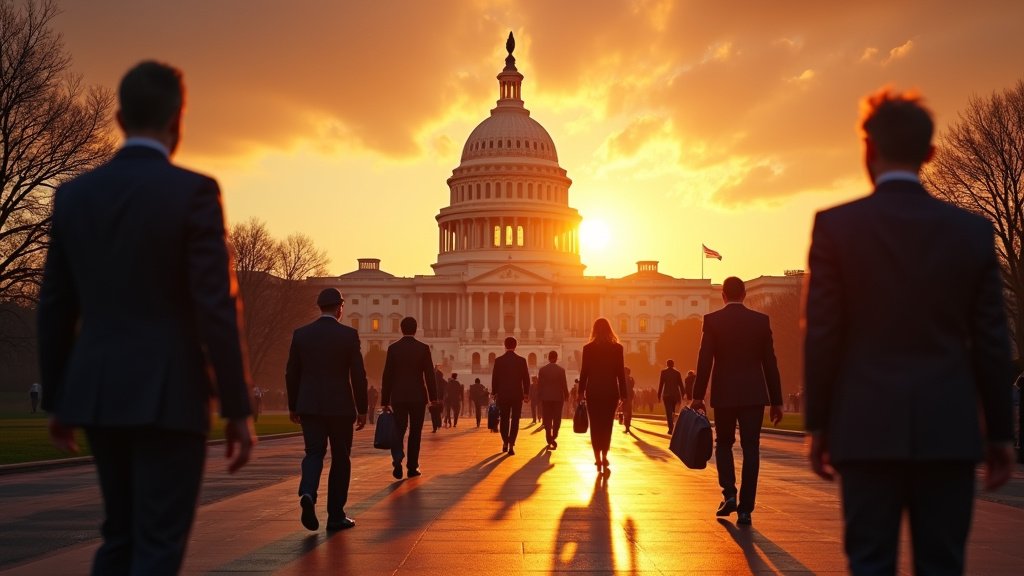

A comprehensive deal, brokered by a coalition of moderate Democrats and Republicans, paved the way for the US Federal Government‘s reopening. The agreement provides federal funding through January 30 and includes three full-year appropriations bills, averting immediate legislative conflicts. Key provisions of the deal ensure that all furloughed federal employees will receive retroactive back pay, a critical step in restoring financial stability for government workers who had gone without paychecks for weeks. The resolution followed intense negotiations, with key figures including Senators Jeanne Shaheen, Maggie Hassan, and Angus King playing crucial roles in bridging partisan divides. President Donald Trump expressed optimism about the resolution, stating that negotiators were “very close to ending the government shutdown”.
Air Travel Resumes Amidst Lingering Disruptions to US Federal Government Services
The 40-day shutdown had a severe impact on air travel across the USA, leading to thousands of flight delays and cancellations due to critical staffing shortages in air traffic control. The Federal Aviation Administration (FAA), a key agency of the US Federal Government, had mandated flight reductions, warning of potential further cuts if the situation persisted. Many air traffic controllers, deemed essential, were forced to work without pay, leading to increased absenteeism and fatigue. The FAA instructed airlines to cut flights by 4% initially, with plans for up to 10% reductions at 40 major airports. While the US Federal Government‘s reopening means controllers will return to regular duty and pay, the aviation industry anticipates a period of recovery to fully restore normal flight operations and clear backlogs. Airlines have expressed gratitude to aviation workers and urged leaders to prioritize their compensation and ensure the stability of the national air system.
Economic Stability Begins to Return as US Federal Government Reopens
The extended federal shutdown had significant economic ramifications for the national economy. The Congressional Budget Office (CBO) estimated that previous shutdowns of similar duration caused billions in lost productivity and reduced GDP growth. The suspension of most government economic data also made it challenging for institutions like the Federal Reserve to navigate inflation and unemployment, impacting the broader economic stability. Federal workers and contractors faced immense financial strain, with many relying on savings or loans to cover essential expenses. The resumption of US Federal Government operations is expected to alleviate some of these pressures, with analysts predicting a potential “mini rebound” in consumer spending as delayed paychecks are restored and government contracts are reactivated. However, lingering backlogs in services like tax processing and passport issuance may cause delays for months.
Negotiations and Political Compromise Pave the Way Forward for the US Federal Government
The shutdown, which surpassed the previous record of 35 days set in late 2018 and early 2019, highlighted the persistent challenges in fiscal negotiations between the executive and legislative branches of the US Federal Government. The resolution involved concessions from both sides, with Democrats securing a commitment for a future vote on extending healthcare subsidies under the Affordable Care Act, while Republicans achieved a temporary funding extension. This outcome mirrors past government shutdowns where leverage for policy victories ultimately yielded compromise. The bipartisan effort to end the stalemate underscores the urgent need for stable federal funding to maintain essential national services and economic predictability, showcasing the vital role of the US Federal Government.
With federal agencies now back online, the focus shifts to implementing the new funding measures and addressing the lingering impacts of the 40-day closure. The swift resumption of full flight operations and the gradual recovery of economic activity are anticipated as the country moves past this significant legislative hurdle, a testament to the resilience of the US Federal Government.