Trump Issues Ultimatum: NATO Must Cut Russian Oil and Target China for US Sanctions
In a significant foreign policy declaration, U.S. President Donald Trump has announced he is prepared to impose “major” sanctions on Russia, but only if all NATO member nations collectively agree to cease all purchases of Russian oil and gas. Furthermore, Trump has proposed that the transatlantic alliance impose substantial tariffs on China, ranging from 50% to 100%, as a means to curtail Beijing’s financial support for Moscow and hasten an end to the ongoing war in Ukraine. This news comes as geopolitical tensions remain high, underscoring a transactional approach to international alliances and focusing national attention on global security matters.
Preconditions for Punitive Measures
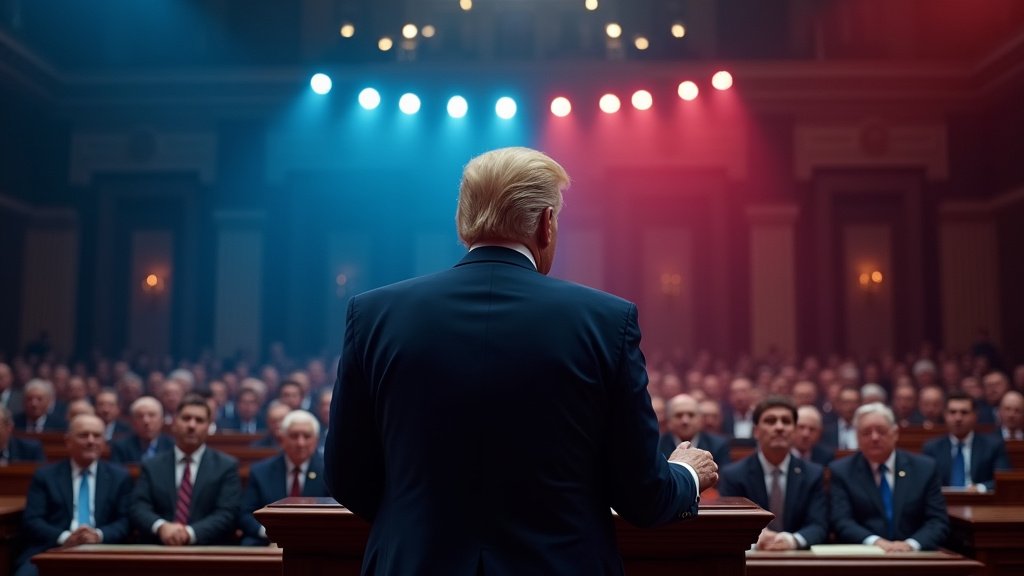
President Trump articulated his stance via posts on his Truth Social platform, framing it as a letter addressed to all NATO nations and the global community. He stated unequivocally, “I am ready to do major Sanctions on Russia when all NATO Nations have agreed, and started, to do the same thing, and when all NATO Nations STOP BUYING OIL FROM RUSSIA.” This stipulation places a direct conditionality on U.S. action, demanding unified commitment from the 32-member alliance before Washington will escalate its economic pressure on Moscow.
Targeting Russian Revenue Streams
The core rationale behind Trump’s proposal is to choke off the revenue Russia derives from its energy exports, which are seen as crucial for funding its protracted war effort in Ukraine. Trump criticized some NATO members for their continued reliance on Russian oil and gas, describing it as “shocking” and detrimental to the alliance’s collective bargaining power. While the European Union has significantly reduced its dependence on Russian energy since 2022, falling from 45% to an expected 13% this year, certain member states, including Hungary and Slovakia, still maintain imports, often via pipeline exemptions. Russia has continued to redirect significant volumes of oil and gas exports to countries like India, China, and Turkey. The United States itself has not purchased Russian oil.
The China Factor: Tariffs as Leverage
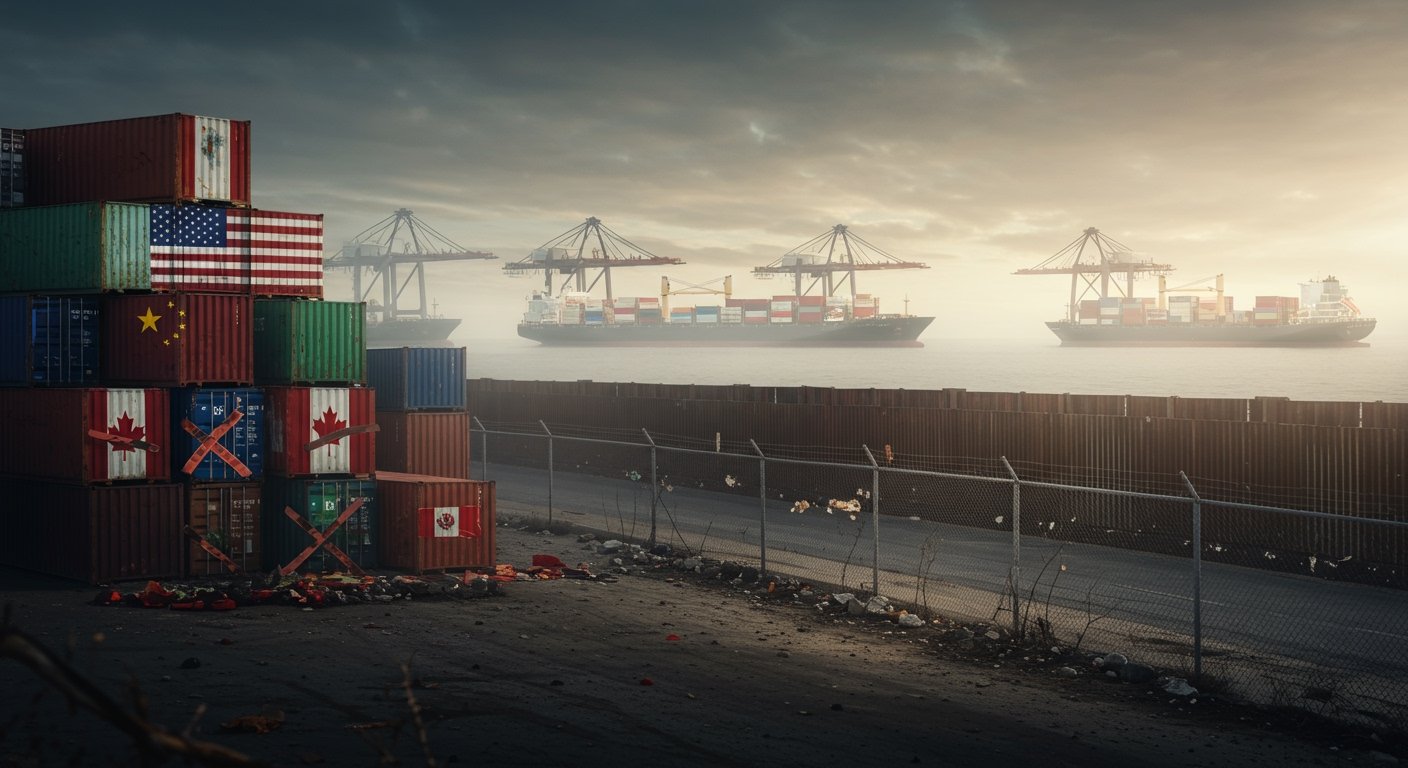
Adding another layer to his demands, Trump suggested that NATO should collectively impose steep tariffs on China. He posited that these tariffs, potentially between 50% and 100%, would serve to break China’s “strong control, and even grip” over Russia, thereby weakening Moscow’s ability to sustain the conflict. This move signals an intent to link broader global trade dynamics to the resolution of the Ukraine war, leveraging economic pressure against a key global player. The administration believes that crippling tariffs would be instrumental in ending the “deadly, but ridiculous” war.
NATO’s Internal Dynamics and Challenges
President Trump’s ultimatum presents significant challenges for the NATO alliance, which is already navigating complex geopolitical terrain. While the alliance has recently bolstered its eastern flank with operations like “Eastern Sentry” in response to Russian drone incursions into NATO airspace, achieving a unified stance on cutting off Russian energy and imposing broad tariffs on China is a formidable task. Countries like Turkey, a significant buyer of Russian oil, and those with lingering energy ties like Hungary and Slovakia, may find these demands difficult to meet. The US has previously imposed tariffs, such as a 25% tariff on India over its Russian energy purchases, demonstrating a willingness to act on a smaller scale. The EU, meanwhile, prioritizes investigations and legal justification over broad tariffs on India and China.
A Transactional Foreign Policy
This latest pronouncement aligns with Trump’s broader foreign policy approach, often characterized by a transactional and “America First” agenda, prioritizing bilateral deals and questioning traditional alliances. His administration has previously signaled dissatisfaction with allies’ trade practices and defense spending, suggesting a willingness to re-evaluate U.S. commitments. The emphasis on demanding action from allies before committing U.S. resources underscores this pattern of conditionality in U.S. foreign policy.
Looking Ahead: Awaiting NATO’s Response
The international community now awaits the reaction from NATO member states to President Trump’s stringent preconditions. The proposed measures represent a significant escalation in economic pressure against Russia and a complex geopolitical gambit involving China. Whether the alliance can coalesce around these demands, or if divisions will emerge, will significantly shape the future of sanctions policy and the ongoing conflict in Ukraine. This national news story highlights the intricate interplay of global economics and security for the USA and its allies.