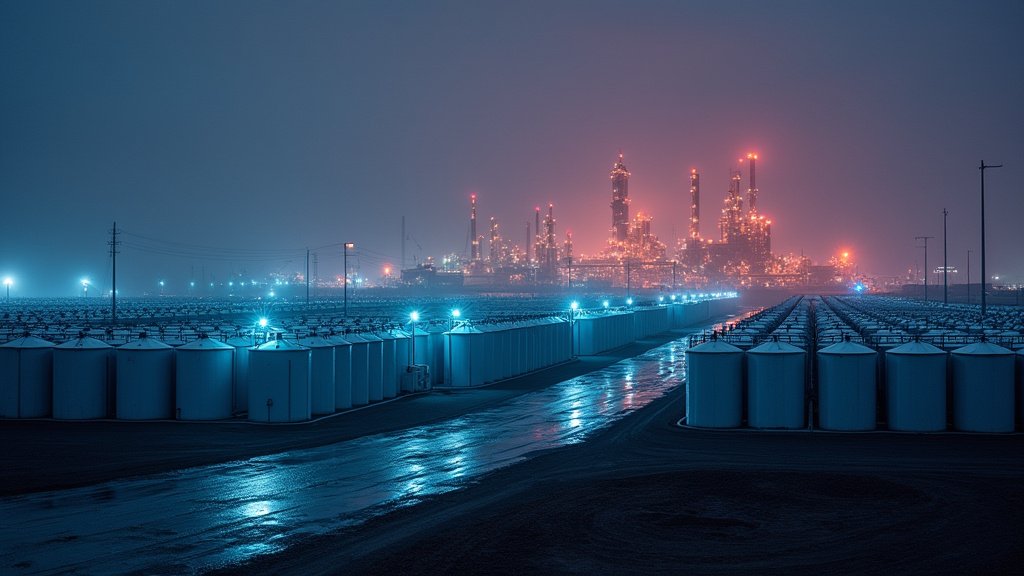
In a controversial move that has sent shockwaves through the environmental justice community, the Environmental Protection Agency (EPA) announced today that it is modifying the implementation timeline and stringency of new pollution limits for ethylene oxide (EtO). This chemical, vital for sterilizing billions of medical devices annually, has long been under fire for its potent carcinogenic properties. The latest decision marks a significant pivot from the agency’s previous hardline stance, as it attempts to reconcile the desperate need for a stable medical supply chain with the urgent necessity of protecting public health in ‘cancer cluster’ zones across the United States.
The Deep Dive
The battle over EPA EtO pollution limits has reached a fever pitch. For decades, ethylene oxide has been the industry standard for sterilizing everything from heart valves to plastic syringes. However, the invisible gas is also a silent killer. According to the EPA’s own IRIS (Integrated Risk Information System) assessment, the chemical is significantly more toxic than previously understood, leading to heightened cancer risks for those living in the shadow of industrial sterilization facilities.
The Industry vs. Health Paradox
The core of the conflict lies in the sheer volume of medical equipment that relies on EtO. Approximately 50% of all sterile medical devices in the U.S. are treated with this gas. Industry trade groups, including the Advanced Medical Technology Association (AdvaMed), have lobbied extensively, warning that immediate and rigid emission caps would force facility closures. They argue that the resulting bottleneck would leave hospitals without the tools necessary for life-saving surgeries.




Today’s announcement suggests the EPA has taken these warnings to heart. By extending the compliance period and allowing for certain ‘operational variances,’ the agency is effectively softening the blow for chemical giants and sterilization firms. Critics, however, argue that this ‘flexibility’ is a euphemism for a dangerous weakening of environmental standards that have been decades in the making.
Communities at the Forefront of the Crisis
For residents in towns like Covington, Georgia, and Laredo, Texas, the EPA’s move feels like a betrayal. These communities have become the faces of the ‘cancer cluster’ phenomenon, where proximity to EtO plants correlates with staggering rates of rare illnesses. Activists argue that every day the EPA allows these facilities to operate under loosened restrictions is another day that the health of vulnerable populations is sacrificed for the sake of industrial convenience.
Environmental lawyers points out that the Clean Air Act requires the EPA to provide an ‘ample margin of safety’ for public health. By weakening the proposed limits, the agency may be opening itself up to significant litigation. ‘This isn’t about medical supplies; it’s about the right to breathe clean air,’ stated one lead advocate for the Clean Air Coalition. ‘The technology to capture these emissions exists. The delay is purely a financial decision.’
The Technological Challenge of Clean Air
Transitioning to cleaner sterilization methods is not an overnight process. While alternatives like nitrogen dioxide and vaporized hydrogen peroxide are being explored, they are currently not scalable to the level required by the American healthcare system. The EPA’s new roadmap suggests a phased approach, but the lack of a firm, immediate deadline for the most dangerous emitters has many questioning the agency’s resolve.
As the debate continues, the EPA maintains that its goal is to protect as many people as possible without triggering a public health crisis of a different kind—a total collapse of the medical device supply chain. But for those already diagnosed with illnesses linked to EtO exposure, the ‘middle ground’ is a place of profound danger.
FAQ: People Also Ask
What is ethylene oxide (EtO) used for?
Ethylene oxide is a colorless gas used primarily to sterilize medical equipment and some food products. It is essential for items that are sensitive to heat or moisture, which prevents the use of steam sterilization.
Why is the EPA changing the pollution limits?
The EPA is attempting to balance the reduction of cancer risks with the need to prevent a shortage of sterile medical devices. Industry pressure regarding the feasibility of rapid upgrades has led to more flexible timelines.
How does ethylene oxide affect human health?
Long-term exposure to EtO is linked to an increased risk of cancers of the white blood cells, such as non-Hodgkin lymphoma and leukemia, as well as breast cancer in women. It is classified as a known human carcinogen.