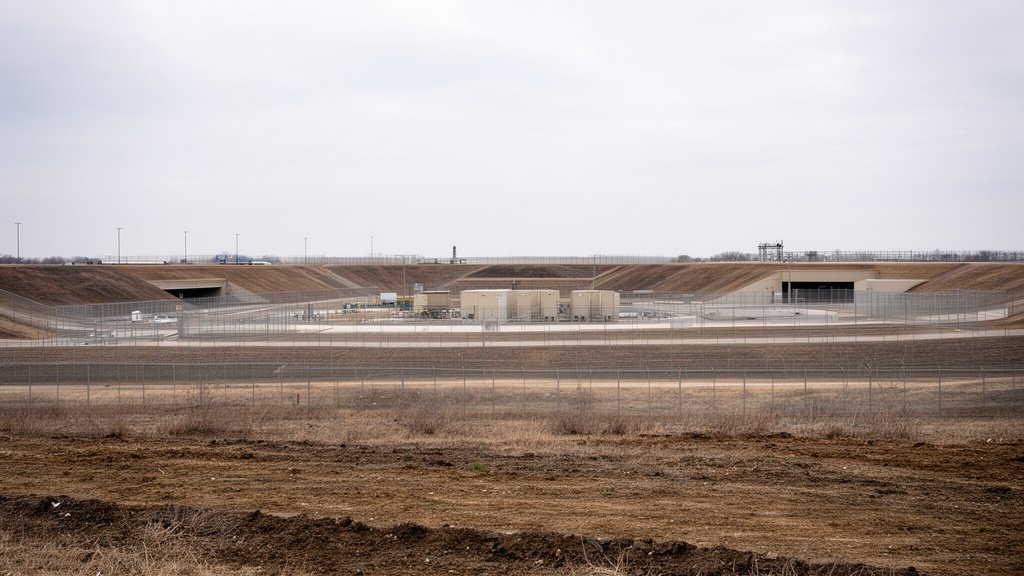
Sean ‘Diddy’ Combs, the music mogul and entertainment icon currently facing high-profile legal proceedings, is marking his first Thanksgiving holiday incarcerated at the Federal Correctional Institution (FCI) Allenwood Low. As the broader American public prepares for traditional feasts and family gatherings, the reality for Combs is defined by the strict, standardized dietary protocols of the Federal Bureau of Prisons (BOP). The menu for the day has been confirmed to include classic holiday staples—turkey, stuffing, and pecan pie—alongside a deliberate vegetarian alternative, a tofu stir-fry, catering to the diverse dietary requirements of the inmate population.
Key Highlights
- Location: Sean ‘Diddy’ Combs is currently held at FCI Allenwood Low, a low-security federal correctional institution located in Pennsylvania.
- Holiday Fare: The Thanksgiving menu is consistent with standard BOP holiday meal planning, featuring turkey, stuffing, and pecan pie.
- Dietary Inclusivity: A tofu stir-fry is provided as a primary alternative, adhering to the federal mandate for meatless, high-protein options.
- Institutional Context: This holiday serves as a stark transition for the mogul, moving from a lifestyle of lavish public celebration to the regimented environment of a federal facility.
The Anatomy of a Federal Holiday Menu
The revelation of the Thanksgiving menu at FCI Allenwood Low offers a rare, granular look into the daily mechanics of the federal prison system. While often minimized in media coverage, the caloric intake, preparation, and distribution of food are highly regulated processes under the Department of Justice’s Bureau of Prisons guidelines. For inmates, the holiday meal is not merely a caloric event; it acts as a structured break from the monotony of standard daily rations.
The Nutritional Standard
Federal prisons operate under strict nutritional guidelines. The menu provided to inmates, including the turkey and stuffing dinner, is designed to be nutritionally balanced, adhering to national dietary reference intakes. The inclusion of a tofu stir-fry reflects the BOP’s commitment to providing non-meat options that satisfy protein requirements. This practice is standard across federal institutions, ensuring that prisoners with varied religious, ethical, or health-related dietary restrictions are accommodated. The turkey served is typically roasted in bulk, and the sides—often including potatoes, vegetables, and, as confirmed, stuffing—are prepared in large-scale industrial kitchens that support hundreds of inmates simultaneously.
Psychological Impact of Holidays in Detention
For any individual in detention, particularly those transitioning from significant public renown to institutional confinement, holidays present a unique psychological challenge. The atmosphere inside FCI Allenwood Low on Thanksgiving is one of regimented quiet. While the administration attempts to provide a sense of seasonal normalcy through the special menu, the overarching environment remains defined by security protocols, restricted movement, and the absence of personal autonomy. This period serves as a sharp reminder of the profound shift in the circumstances of the incarcerated, regardless of their background or previous socioeconomic status.
The Operational Scale of FCI Allenwood Low




FCI Allenwood Low is a significant facility within the federal system. Its operational capacity requires an immense logistical effort to organize a holiday meal. Unlike a household dinner, the procurement, preparation, and service for hundreds of inmates require weeks of planning. The food service department must account for security clearances for ingredients, staffing levels on a federal holiday, and the rigid schedule of inmate movement. The presence of high-profile inmates like Combs does not alter this logistical reality; the prison system is designed for uniformity, meaning that while the eyes of the public are focused on the individual, the institution operates on a macro level that treats the holiday dinner as a standard administrative function.
Secondary Angles: Examining the Context
1. The Economics of Prison Food Programs:
There is a broader discussion regarding the economic constraints of feeding a prison population. The Bureau of Prisons operates on a fixed per-inmate daily budget. This necessitates a balancing act between providing edible, standard-compliant meals and managing the fiscal realities of taxpayer-funded institutions. The use of turkey and stuffing on holidays is an intentional, albeit cost-controlled, effort to maintain morale and adherence to seasonal norms.
2. The Intersection of Celebrity and Incarceration:
Combs’ situation illuminates the friction between celebrity culture and the legal system. When a figure of his stature enters the carceral system, the media scrutiny intensifies, turning even mundane details—such as a holiday meal plan—into a barometer for public perception. This phenomenon highlights how celebrity acts as a lens through which the public processes the otherwise opaque reality of prison life.
3. Long-term Dietary Trends in Corrections:
Increasingly, federal facilities are being scrutinized for their nutritional quality. The inclusion of options like tofu stir-fry represents a shift from historical prison menus, which were often heavily reliant on processed, cheap carbohydrates and low-quality meats. This evolution reflects a growing acknowledgment of the health outcomes associated with long-term incarceration and the potential for improved behavioral management through better nutrition.
FAQ: People Also Ask
Are federal prison Thanksgiving meals significantly different from daily meals?
Yes, in terms of preparation. While standard meals are functional, holiday meals in the BOP are designed to offer a sense of tradition. They often feature higher-quality entrees, such as turkey or roast beef, and traditional sides, which are a departure from the standard cyclical menu.
Does Sean ‘Diddy’ Combs have access to private food service?
No. Inmates at federal facilities, including FCI Allenwood Low, are subject to the same dietary program as the general population. While inmates may purchase additional items through the commissary—such as snacks or shelf-stable food—they do not have access to private meal services or outside catering.
What is the purpose of the tofu stir-fry option?
The tofu stir-fry is a standard vegetarian alternative provided by the Bureau of Prisons to ensure dietary equity. It is designed to meet the caloric and protein needs of inmates who do not consume meat, adhering to the federal mandate for non-discriminatory dietary accommodations.
How does the commissary system work during holidays?
The commissary, where inmates can buy additional food items, generally operates on a reduced schedule during federal holidays. Inmates must plan their purchases in advance, as they cannot access stores on the day of the holiday itself. This makes the primary prison-provided meal the sole source of nutrition for the day.