Bosnian citizens are heading to the polls for a general election, choosing presidency members and parliamentary representatives amidst rising ethnic tensions and concerns over stability. Separatist politician Milorad Dodik, while not on the ballot for the presidency itself, remains a central figure due to his pro-Russian stance. As voters navigate a complex electoral landscape, the nation finds itself at a critical juncture, balancing between European integration and the centrifugal forces of ethnic division. The outcome of this election will define the country’s trajectory for the next four years, testing the resilience of the Dayton Agreement in an increasingly polarized geopolitical environment.
Key Highlights
- Tripartite Presidency in Play: Voters are choosing three members of the presidency—one Bosniak, one Serb, and one Croat—to serve a four-year term in a power-sharing arrangement designed to maintain ethnic balance.
- The Dodik Variable: Despite not running for the central presidency seat, Milorad Dodik remains the dominant force in Republika Srpska, advocating for separatist rhetoric that challenges the authority of the central state institutions.
- Geopolitical Undercurrents: Russia’s influence in the Balkans has become a focal point, with observers noting how Dodik’s close ties to the Kremlin complicate Bosnia’s aspirations for European Union candidacy.
- Systemic Fragility: The Office of the High Representative (OHR) continues to play a controversial but decisive role in overseeing the peace process, often clashing with local politicians who view international intervention as an infringement on sovereignty.
Navigating the Geopolitical Fault Lines of the Balkan Ballot
For the citizens of Bosnia and Herzegovina, the act of voting is not merely a civic duty; it is a profound declaration of identity and national orientation. The current electoral landscape is dominated by the intricate architecture of the Dayton Agreement, the 1995 accord that ended the Bosnian War but simultaneously calcified the nation’s ethnic divisions. Today, those divisions are being strained by political actors who use secessionist rhetoric as a primary campaign tool.
The Tripartite Structure: A System Under Pressure
The Bosnian electoral system is uniquely complex, split between the Federation of Bosnia and Herzegovina (dominated by Bosniaks and Croats) and the Republika Srpska (dominated by Serbs). The tripartite presidency is meant to represent these three constituent peoples, but in practice, it often leads to gridlock. The current election cycle has exposed deep fissures in this model. When political parties focus on ethnic grievances rather than economic reform, the state institutions—already hampered by a lack of central authority—effectively grind to a halt.
Observers point to the persistent lack of consensus on critical national issues, such as security policy, judicial appointments, and energy infrastructure, as evidence that the current governance model is failing to meet the needs of the populace. As the nation votes, the question is not just who will sit in the presidency, but whether these individuals can work within the confines of the existing state structure without dismantling it from within.
The ‘Dodik Factor’: Rhetoric vs. Reality
Milorad Dodik, the leader of the Alliance of Independent Social Democrats (SNSD), stands as the most prominent disruptor in the Bosnian political sphere. Although he is not a candidate for the central state presidency in this current cycle, his influence is pervasive. Dodik has spent years questioning the legitimacy of Bosnia as a unified state, often floating the idea of Republika Srpska’s secession. His pro-Russian stance provides him with a strategic buffer, allowing him to defy Western-backed international mandates while portraying himself as a defender of Serb interests against a centralized, Sarajevo-centric government.
This rhetoric has real-world consequences. It discourages foreign direct investment, creates uncertainty in the markets, and keeps the specter of conflict alive in the public imagination. Furthermore, his open support for the Kremlin—even as European nations align against Russia—has made him a pariah in some Western capitals but a hero to a segment of the population that feels disillusioned by the EU’s slow integration process.
International Oversight and the Role of the OHR
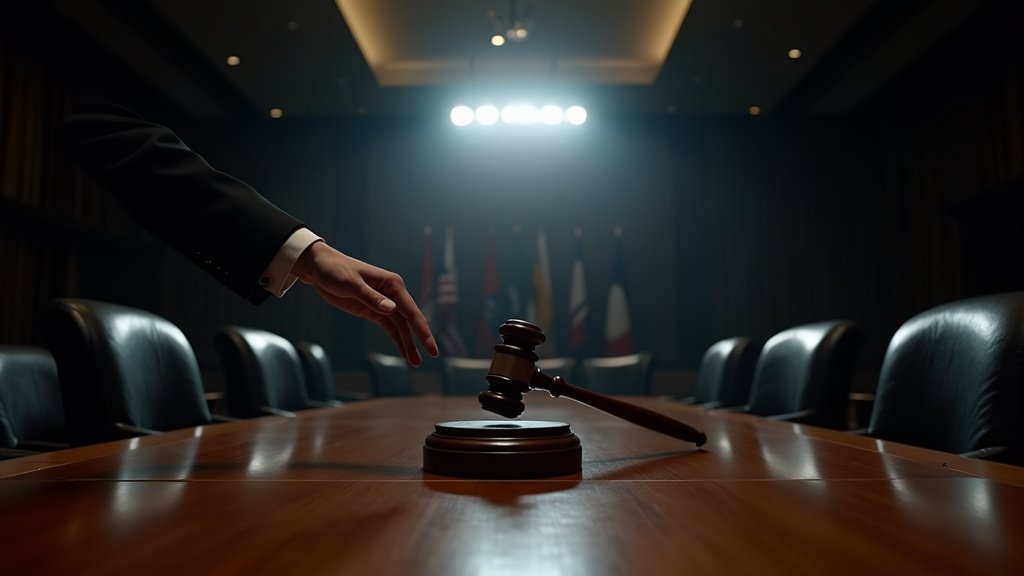

The Office of the High Representative (OHR), currently headed by Christian Schmidt, is the ultimate international arbiter of the Dayton Agreement. With the power to impose laws and remove officials, the OHR acts as a ‘backstop’ to prevent the collapse of the state. However, this role is increasingly under siege. Dodik and his supporters frequently reject the authority of the High Representative, arguing that the office is an anachronism that keeps Bosnia in a state of ‘international tutelage.’
This friction has created a power vacuum. When the OHR steps in to break a legislative deadlock, it is accused of overreach. When it remains on the sidelines, the state risks descending into total paralysis. The upcoming election results will likely force the international community to decide whether to continue its interventionist approach or to allow local actors to navigate the crisis, a risky gamble given the region’s history.
The Demographic Crisis: A Silent Voter
While politicians focus on ethnic territory and nationalist rhetoric, a significant portion of the Bosnian electorate is voting with their feet. The country is experiencing a massive brain drain, with tens of thousands of young professionals emigrating to Germany, Austria, and other EU member states. These emigrants cite lack of opportunity, systemic corruption, and, most importantly, the pervasive feeling that the country is perpetually stuck in the past.
For those remaining, the economic reality is grim. Inflation, energy price spikes, and a bloated public sector have left the average citizen struggling to make ends meet. The irony is that while the politicians argue over symbols and historical grievances, the fundamental issues—jobs, education, and healthcare—are left unaddressed. This disconnect between the political class and the citizenry creates a dangerous volatility, where the promise of a ‘national champion’ becomes more appealing than the tedious, slow work of democratic institution-building.
Future Projections and the European Path
Bosnia’s long-term stability hinges on its integration into the European Union. However, this path is riddled with obstacles. The EU requires a functional, unified state as a prerequisite for membership, a condition that current political dynamics make nearly impossible to fulfill. Should the election result in a more moderate parliament, there is a glimmer of hope that reforms could be accelerated. Conversely, if the cycle of nationalist rhetoric deepens, Bosnia risks falling further behind its neighbors in the Western Balkans, potentially becoming a ‘gray zone’ where Russian and Western interests collide indefinitely.
Ultimately, the results of this election will serve as a referendum on the country’s future. Will Bosnia continue to be a nation defined by its past, or will it find the political courage to forge a new path that prioritizes unity, reform, and economic stability over the siren song of ethnic division? The answer lies in the hands of the voters, whose patience is being tested to its absolute limit.
FAQ: People Also Ask
1. Why is Milorad Dodik such a central figure in Bosnian politics despite not being on the ballot?
As the leader of the SNSD and a dominant force in the Republika Srpska, Dodik controls the primary political machinery of the Serb entity. His influence dictates the legislative agenda and sets the tone for nationalist policy, meaning his political footprint impacts all major national decisions regardless of his current seat.
2. What is the role of the High Representative in Bosnia?
The Office of the High Representative (OHR) was created by the Dayton Agreement to oversee the implementation of civilian aspects of the peace treaty. The High Representative has the authority to issue ‘Bonn Powers,’ which include imposing legislation and dismissing public officials who undermine the peace process.
3. Why are ethnic tensions currently on the rise in Bosnia?
Tensions have been exacerbated by a combination of separatist rhetoric, gridlock in the tripartite presidency, and the geopolitical influence of Russia, which often encourages moves that undermine central state institutions. These are fueled by long-standing historical grievances that have never been fully reconciled.
4. How does the current election impact Bosnia’s EU membership prospects?
The European Union requires candidates to demonstrate democratic stability, functional institutions, and a commitment to reform. Continued political fragmentation, ethnic polarization, and the rejection of international oversight make it difficult for Bosnia to satisfy the criteria for EU integration, essentially stalling its progress toward membership.