Iran’s Supreme Leader Ayatollah Ali Khamenei issued a grave warning. He stated any American military strike would ignite a regional war. This declaration escalates already high tensions. The United States has moved a major naval force. This action comes after Iran’s crackdown on protests. The situation teeters on a dangerous edge.
Supreme Leader’s Stark Warning
Ayatollah Khamenei spoke directly. He warned the Americans about consequences. “If they start a war, this time it will be a regional war,” he declared. Khamenei stressed Iran does not seek conflict. However, Iran will respond forcefully. “The Iranian people will deal a hard blow to anyone who attacks or causes harm,” he added. The Supreme Leader holds ultimate authority in Iran. His words carry significant weight. Fears of a wider conflict surged. This followed sharp rhetoric from Washington.
Protests Fuel US Concerns
These events unfolded against a backdrop. Iran faced widespread domestic protests. They began over economic woes. The currency collapse fueled unrest. Protesters challenged the government directly. Khamenei labeled the demonstrations a “coup”. The Iranian government responded with force. Thousands reportedly faced detention.


Washington expressed deep concern. The US cited potential “mass executions” of detainees. President Donald Trump identified these as red lines. He threatened military action if they occurred. This raised the stakes significantly. It put US-Iran relations under immense pressure.
American Military Mobilization
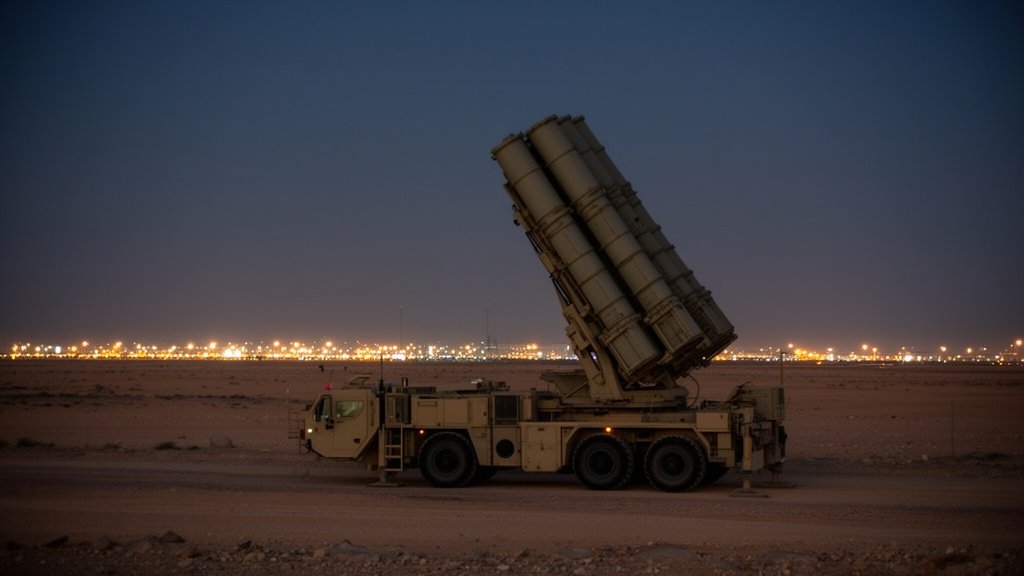
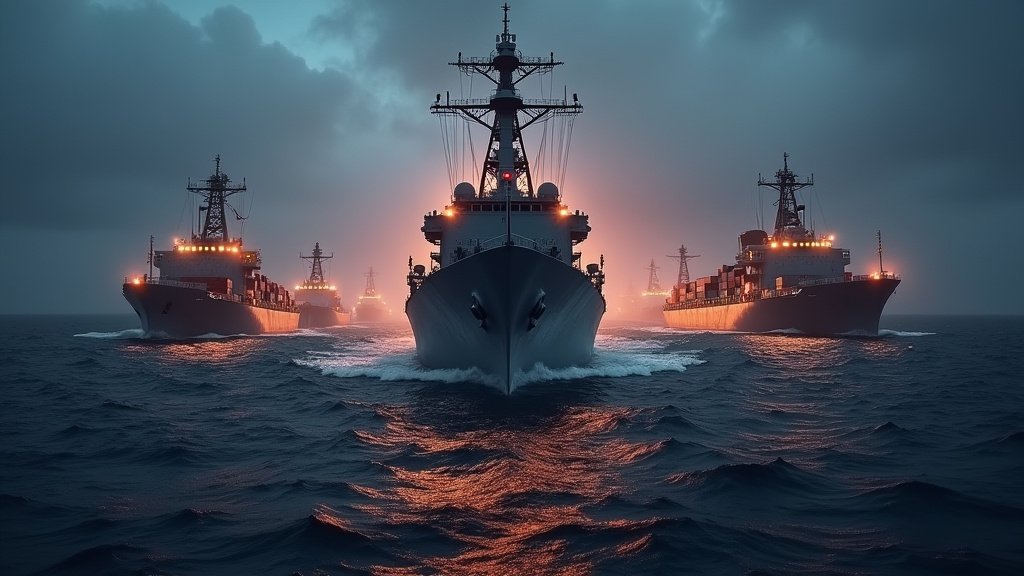
In response, the US deployed naval assets. The aircraft carrier USS Abraham Lincoln arrived. It sailed with escort warships. This group entered the Arabian Sea. Other US military assets moved to the region. This included combat aircraft and air defense systems. The American military buildup signaled preparations for potential action. Trump himself called it a “massive fleet”. This display of power aimed to deter Iran.
Diplomacy Amidst Brinkmanship
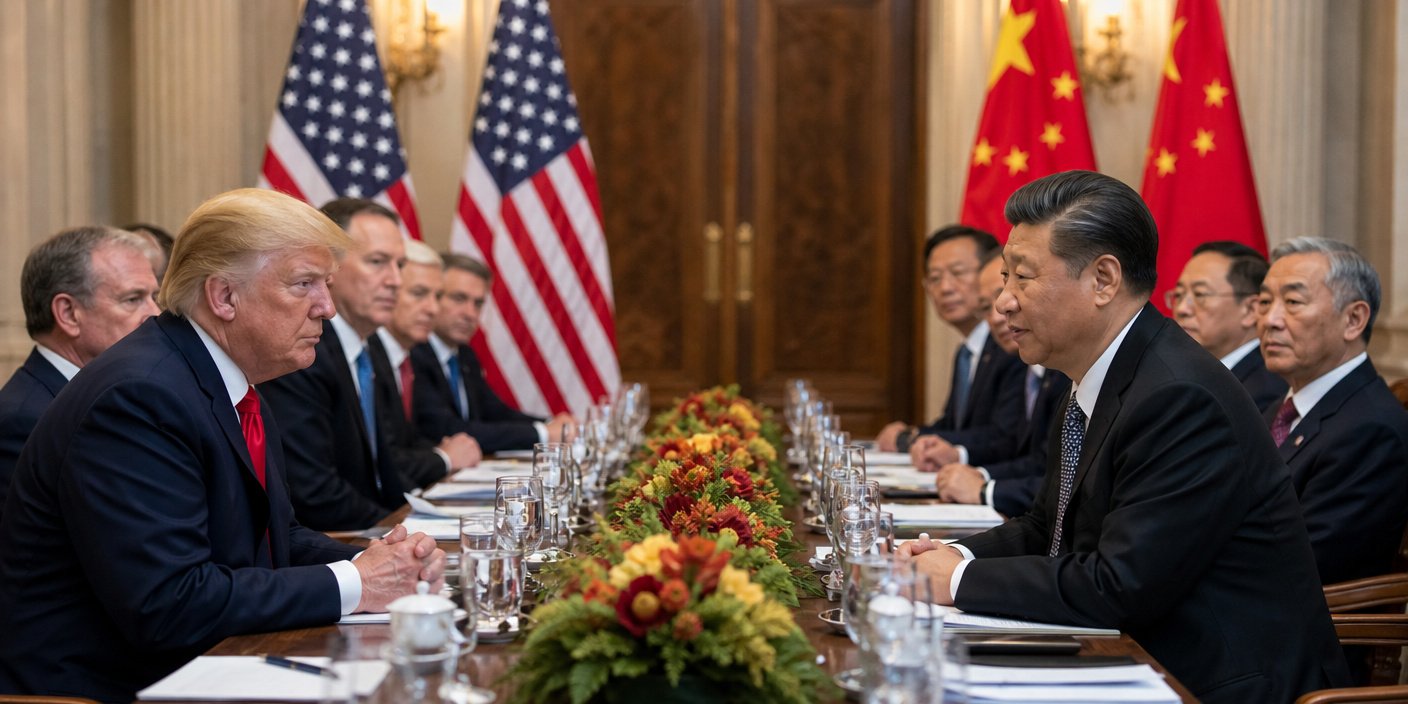
Despite the military buildup, diplomatic efforts continued. President Trump expressed openness to talks. He stated Iran was “seriously talking” with the US. Regional mediators played a key role. Countries like Qatar, Turkey, and Egypt worked to avert conflict. They aimed to find a diplomatic offramp.
However, talks faced obstacles. Iran stressed that negotiations require a calm environment. They rejected discussions under the threat of US military action. Iran’s foreign minister suggested the US was being “dragged” toward war. He noted that miscalculations could trigger conflict.
Iran’s Strategic Stance
Iran maintained a firm defensive posture. Its military warned of a swift response to any attack. Iranian officials dismissed US threats. They called the deployment of warships “nothing new”. Khamenei asserted Iran would not initiate war. But it would retaliate powerfully if attacked. Iran also indicated its missile defense systems could target American carriers.
The US military deployment also aimed to shape behavior. It created more options for policymakers. This occurred as allies expressed wariness. Some regional states refused to allow their territory for US attacks.
The Nuclear Shadow
Iran’s nuclear program remained a point of concern. The US had previously bombed Iranian nuclear sites. Trump reiterated his desire to resolve this issue. However, Iran’s stance on enrichment was firm. Negotiations aimed to address this issue. But progress seemed difficult amid broader tensions.
A Precarious Balance
The situation highlighted a precarious balance. Iran’s warnings of regional war met American military presence. Diplomatic channels remained open. Yet, the threat of direct confrontation loomed large. This complex story continued to unfold. The actions of both nations carried significant global implications. The world watched closely for de-escalation. The American administration continued to signal its preparedness. Yet, it also pursued a diplomatic solution. The top priority remained avoiding a wider conflict. This particular story underscored the delicate nature of international relations.