

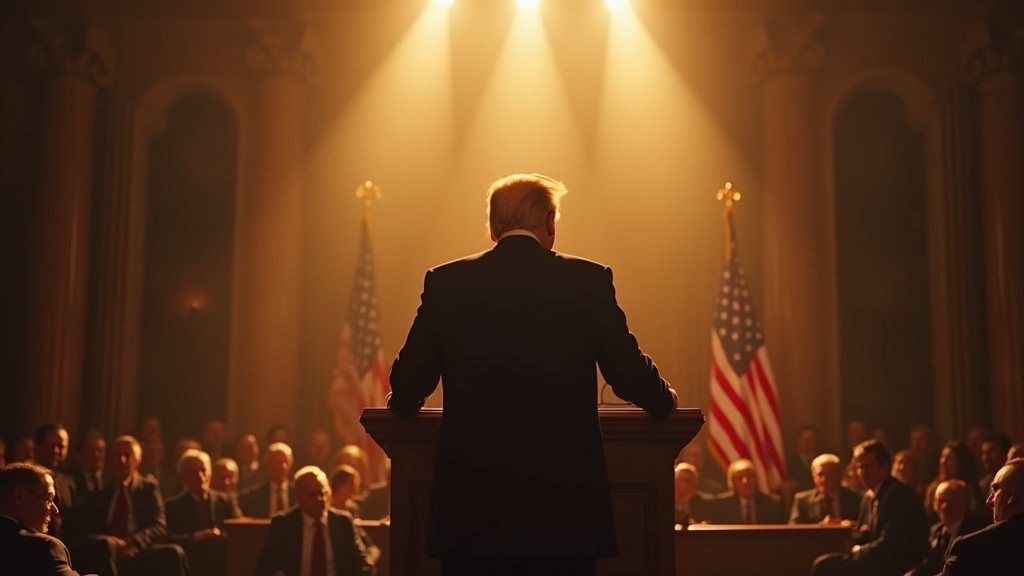
Pittsburgh, Pennsylvania – In a significant policy announcement delivered at a rally outside a U.S. Steel plant near Pittsburgh on Friday, May 31, 2025, former President Donald Trump declared his intention to double existing tariffs on imported steel, raising them from 25% to a striking 50%.
The declaration was made as Mr. Trump celebrated a controversial multibillion-dollar agreement involving U.S. Steel and Japan’s Nippon Steel. While the precise timing of the proposed tariff increase remained unspecified, Mr. Trump asserted the measure would serve to “even further secure the steel industry in the United States.”
Context Amidst Steel Deal Controversy
The backdrop for the announcement is the pending $14 billion acquisition of U.S. Steel by Nippon Steel, a deal that has drawn scrutiny and opposition across the political spectrum. During the campaign, both former President Joe Biden and then-candidate Trump had expressed reservations about the transaction. President Biden had specifically blocked the sale in January before leaving office, citing national security concerns. Mr. Trump, however, appears to have shifted his stance, now framing the agreement in a more positive light.


Addressing workers and supporters, Mr. Trump promised that the Nippon Steel deal would not result in U.S. Steel layoffs. He also stated that all steel workers would receive a $5,000 bonus. Reiterating a theme he had previously posted on social media (Truth Social), Mr. Trump asserted that U.S. Steel “will continue to be controlled by the USA.” He described the agreement as an “incredible deal for American steel workers,” highlighting what he termed “vital protections” for jobs and facilities.
Earlier, in a post on Truth Social last week, Mr. Trump had indicated that the $14 billion deal would ensure U.S. Steel remained in the U.S. and claimed it would lead to the creation of “at least 70,000 jobs.” Details surrounding the final structure and assurances within the agreement, however, remain unclear.
Broader Trade Implications and International Reactions
The focus of the rally extended beyond steel. Mr. Trump also announced via social media his intent to impose tariffs on imported aluminum, set to begin the following Wednesday.
The prospect of heightened U.S. trade barriers quickly drew international condemnation. The European Union issued a statement expressing strong regret over the potential move and indicated its preparedness to impose countermeasures in response. Canada also voiced concerns, stating that such tariffs would negatively impact North American security, emphasizing the integrated nature of the continental economy.
Mr. Trump’s pledge to significantly increase steel tariffs signals a potential return to the protectionist trade policies that characterized his previous administration. The move is likely to reverberate across global supply chains and could trigger retaliatory actions from trading partners, potentially escalating international trade tensions.
Economic Uncertainty and Outlook
The economic implications of doubling steel tariffs are complex. While proponents argue it protects domestic industry and jobs from foreign competition, critics warn it can increase costs for manufacturers that use steel, potentially harming downstream industries and consumers. The lack of specific details regarding the effective date of the proposed tariff increase and the finer points of the U.S. Steel-Nippon Steel deal adds a layer of uncertainty for businesses and markets.
The announcement in Pittsburgh underscores the ongoing political debate surrounding trade policy and the future of American manufacturing. As the situation develops, observers will closely watch for formal policy implementation details and the reactions from international trade partners and affected industries.






Do you mind if I quote a few of your articles as long as I provide credit and sources back to your weblog? My website is in the very same area of interest as yours and my visitors would really benefit from some of the information you provide here. Please let me know if this alright with you. Appreciate it!
betmgm Wisconsin betmgm-play mgm gambling
Explore opportunities lucrative and fun avenues. In ignation casino, games audited ensure. Explore and empower!
Unlock luxury to lead paths VIP. In ignation casino, indulge and ascend clubs exclusive. Unlock and uplift!
Explore the electrifying world of online gaming where endless fun awaits. Bovada Baccarat offers top table games and cashback offers for all players. With Bovada, enjoy premier wins and secure, reliable entertainment every day!
Big Bass Bonanza delivers non-stop excitement! Trigger the bonus Big Bass Bonanza round and let the fisherman haul in big money symbols for you.
Gates of Olympus is Zeus showing off. Multipliers up to 500?, unlimited free spins potential, constant tumbling action. Join the divine party in greek mythology slot!
Pure candy chaos on your screen! sugar rush rtp combines adorable graphics with massive win potential up to 5000x. One lucky spin changes everything!
starburst casino never goes out of style. Expanding wild respins create epic moments. Both directions pay — timeless classic.
Trusted since 2017. Still the fastest. Still stake sports the fairest. Still the best.
luckyland slots review turns ordinary days into lucky ones! Sign up for 7,777 Gold Coins and 10 free Sweeps Coins instantly. Experience thrilling slots with real redemption rewards!
Unleash the fun at DraftKings casino promotions Casino. New welcome: 500 spins after $5 + up to $1,000 back on day one. Live dealers, slots, jackpots—all here!
Experience casino perfection at betmgm slots. Claim your exclusive offer of 100% up to $1,000 and $25 free play. Play live tables and the hottest slots on the go.
Kvalitni leky nemusi byt drahe. Dokazujeme to kazdy den
https://opravdovalekarna.cz
Prenez les devants avec notre selection prevention. Vitamines, mineraux et tests de diagnostic a faire chez soi. Anticipez les petits maux de l’hiver grace a nos packs speciaux. Votre capital sante se construit aussi en ligne.Acheter betahistine
Solder together the millions enchanting big on fanduel casino New Hampshire – the #1 tangible pelf casino app in America.
Reach your $1000 WITH IT AGAIN bonus and refashion every relate, hand and somersault into bona fide coin of the realm rewards.
Permanent =’pretty damned quick’ payouts, huge jackpots, and non-stop effect – download FanDuel Casino now and start playing like a pro today!
FanDuel Casino is America’s #1 online casino, delivering constant thrills with ignition game , aristocratic slots like Huff N’ Breathe, and last affairs force normal at your fingertips. Hip players grab 500 Bonus Spins supplementary $40 in Casino Compensation upstanding for depositing $10—with the addition of up to $1,000 back on first-day screen losses. Calling all Thrillionaires: be adjacent to now, butter up your nature, and drive every blink into epic wins!