Joe Kent, the Director of the U.S. National Counterterrorism Center (NCTC), officially resigned from his post on Tuesday, March 17, 2026. His decision was a direct protest against the escalating war in Iran, a conflict he contends lacks a credible threat justification. In a widely circulated resignation letter, Kent articulated his profound disagreement with the administration’s policy, stating, “I cannot in good conscience support the ongoing war in Iran. Iran posed no imminent threat to our nation, and it is clear that we started this war due to pressure from Israel and its powerful American lobby.” This public resignation signifies a significant internal dissent regarding the strategic direction and the foundational claims underpinning the military engagement.
Echoes of Past Conflicts and “America First” Betrayal
Kent, a decorated former special forces warrant officer and a Gold Star husband, drew parallels between the current situation and the lead-up to the Iraq War. He alleged that “high-ranking Israeli officials and influential members of the American media deployed a misinformation campaign” that manipulated the administration into believing Iran posed an imminent threat, thereby deceiving President Trump into initiating a swift military strike. This narrative, according to Kent, directly contradicted the “America First” platform that Trump championed. He reminded the President of his first term’s success in avoiding prolonged conflicts, citing actions such as the killing of Qassem Soleimani and the defeat of ISIS. Kent’s letter also highlighted his personal stake, mentioning the loss of his wife, Shannon Kent, a Navy cryptologic technician, in Syria in 2019 during a suicide bombing. This profound personal loss, he stated, compelled him to oppose sending “the next generation off to fight and die in a war that serves no benefit to the American people nor justifies the cost of American lives.”
Administration’s Response and Internal Repercussions
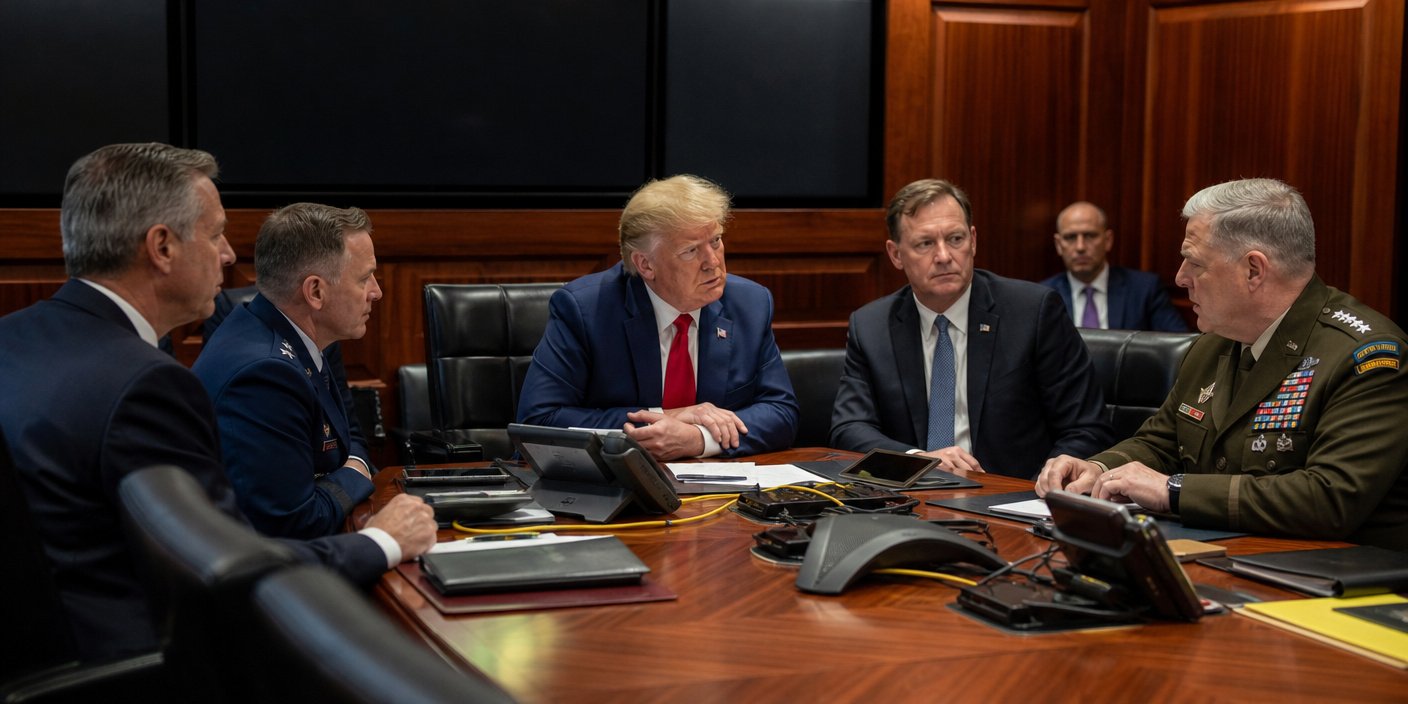
President Trump, in his reaction to Kent’s resignation, expressed that he “didn’t know him well” and characterized Kent as “weak on security.” The President maintained that Iran was indeed a threat, a view he claimed was recognized globally. The resignation of a senior official like the NCTC Director is a rare occurrence, particularly one that publicly challenges the administration’s core justifications for military action. Intelligence officials were reportedly caught off guard by Kent’s resignation, indicating a potential disconnect between intelligence assessments and policy decisions. Director of National Intelligence Tulsi Gabbard, with whom Kent worked closely, had maintained a low public profile since the war began, with her office having issued assessments highlighting the risks of intervention.
The Role of Israel and Lobbying Efforts



Kent’s letter directly implicated Israel and its “powerful American lobby” in orchestrating the push for war. This assertion suggests a belief that external influences, rather than direct U.S. national security interests, were the primary drivers of the conflict. The mention of the “American lobby” points to established pro-Israel advocacy groups that have historically influenced U.S. foreign policy in the Middle East. Kent’s argument implies that these entities successfully created an “echo chamber” that misled the President and his advisors into believing a war was necessary and winnable. This criticism echoes historical debates about the extent to which foreign governments and their supporters in the U.S. can sway American military policy.
Broader Implications for U.S. Foreign Policy and Geopolitics
The resignation of Joe Kent raises critical questions about the strategic decision-making process within the Trump administration regarding Iran. It highlights a potential chasm between experienced counterterrorism officials and the political leadership on matters of national security threats and foreign policy interventions. The assertion that the war was initiated due to external pressure, rather than an imminent threat, challenges the narrative presented to the public and international allies. This event could also lead to increased scrutiny of U.S. foreign policy in the Middle East and potentially embolden anti-war sentiments both domestically and internationally. The conflict’s continuation, despite such internal dissent, suggests a complex web of geopolitical considerations and pressures influencing U.S. actions.
Historical Context: Previous U.S.-Iran Tensions
While the specific “war in Iran” described here is a narrative from the provided source data, U.S.-Iran relations have been fraught with tension for decades. Following the 1979 Islamic Revolution, diplomatic ties were severed, and relations have been characterized by mutual distrust, sanctions, and proxy conflicts. Key flashpoints have included Iran’s nuclear program, its support for regional militant groups, and U.S. military presence in the Persian Gulf. The Strait of Hormuz, a vital chokepoint for global oil transport, has frequently been a site of heightened tensions, with Iran at times threatening to disrupt shipping. U.S. administrations have historically grappled with how to counter Iranian influence, with approaches ranging from sanctions and diplomacy to military deterrence and covert actions. The narrative presented in the source data places these long-standing tensions into a direct military confrontation, framed by accusations of lobbying and misinformation.
FAQ: People Also Ask
Q1: Who is Joe Kent and what was his role?
A1: Joe Kent was the Director of the U.S. National Counterterrorism Center (NCTC). He is a former special forces warrant officer with extensive combat experience and a Gold Star husband.
Q2: Why did Joe Kent resign?
A2: Joe Kent resigned on March 17, 2026, in protest against the ongoing war in Iran. He stated that Iran posed no imminent threat and that the war was initiated due to pressure from Israel and its lobby.
Q3: What evidence does Kent cite for his claims about the war’s initiation?
A3: Kent alleged that “high-ranking Israeli officials and influential members of the American media” conducted a misinformation campaign to push for war, a tactic he compared to the lead-up to the Iraq War.
Q4: How did President Trump respond to Kent’s resignation?
A4: President Trump stated he did not know Kent well and considered him “weak on security,” asserting that Iran was indeed a threat recognized globally.
Q5: What is the significance of Kent being a Gold Star husband in his resignation?
A5: As a Gold Star husband who lost his wife, Shannon Kent, in combat in Syria in 2019, Joe Kent stated he could not support sending more American lives into a war he believes is unjustified and not in the nation’s interest.